
You should call 811 before digging on your property if you plan to build an addition, build a fence, build a pool, plant a tree, or any project that requires excavation on your property. It is of the utmost importance to scan the area before digging to avoid damaging any utilities and creating an emergency. This is a free service, from the house meter, to the street or avenue.
1.- What is 811?
811 is the national call before you dig phone number. Anyone who plans to dig should call 811 or go to their state 811 center’s website a few business days before digging to request that the approximate location of buried utilities be marked with paint or flags so that you don’t unintentionally dig into an underground utility line.
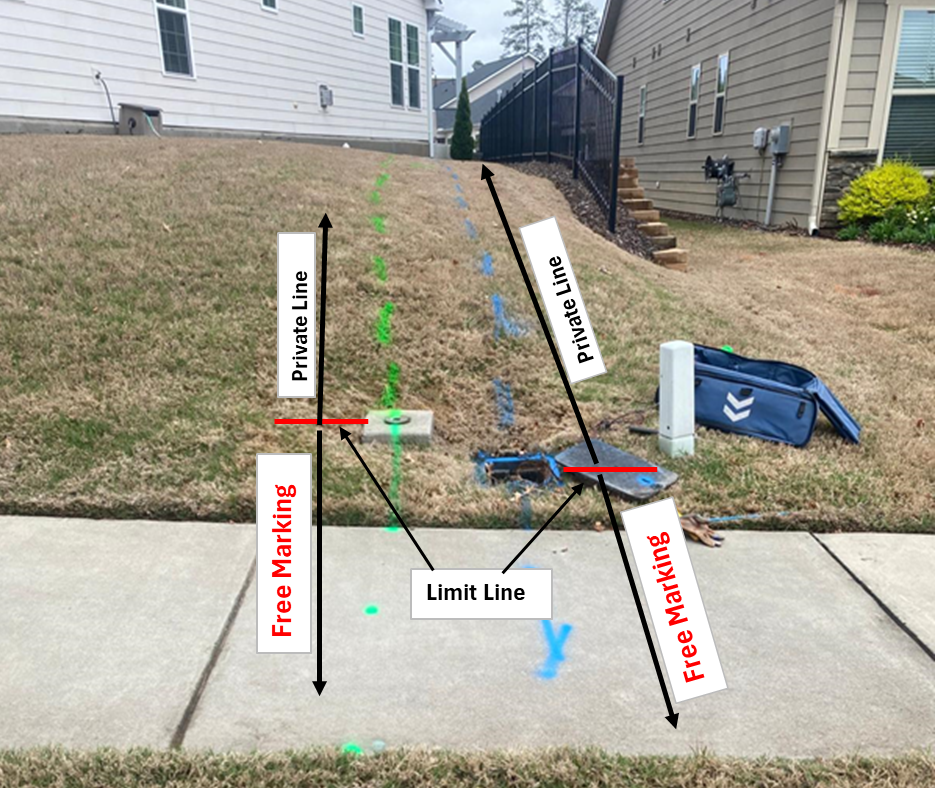
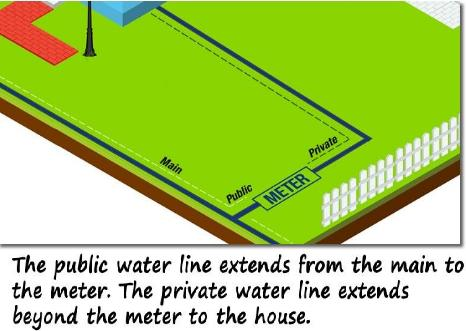
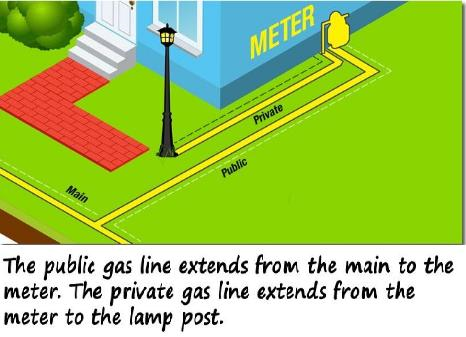
Call 811 is an essential first step before any excavation and helps comply with legal notification requirements. However, it is important to understand its limitations. Call 811 only marks public utilities and does not locate private utility lines, such as private water and sewer laterals, utilities beyond the meter, or lines installed on private property. Relying solely on 811 markings can leave critical underground utilities unidentified, increasing the risk of costly damages, delays, and safety incidents. For full site awareness and proper risk management, contractors and property owners often require private utility locating services in addition to calling 811.
2.- When do I call 811?
You should call 811 or use your state 811 center’s website a few business days before you begin any digging, including common projects like planting trees and shrubs or installing fences and mailboxes as long as you need to scan for buried utilities between the house meter and the street or avenue area. On the contrary, if you need to scan buried services on your property, you must call a Private Utility locating Company.
The specific amount of advance notice that you are required to provide varies by state.
3.- It’s 811 free ?
Yes, calling 811 is free. Utility companies pay for this service to protect you and your employees or tenants. 811 is a “Call Before You Dig” service that marks underground utility lines on your property so you don’t damage them when you dig. You should call at least two business days before you plan to dig.
4.- What info do I need before calling 811?
You will need to know the address of where you plan to dig, including the county and nearest cross street, as well as the type of project you’re completing and the exact area on the property where you’re planning to dig. Whether you call 811 or make your request online, you’ll need the same info.
5.- What do I do?
You need to wait a few days to allow utilities to respond to your request and ensure that all utilities have indeed responded to your request before breaking ground. Once all utilities have marked their buried lines, you should dig carefully around any utility marks and consider relocating projects that are close to buried utilities.
6.- When can I begin my digging project?
Wait for the marks! Utilities will mark their buried lines on your dig site.
Each utility type corresponds to a specific color of paint or a flag.
In these cases, hiring a private utility locator helps identify underground utilities that fall outside the scope of 811 markings.
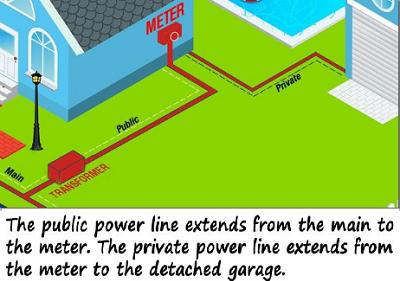
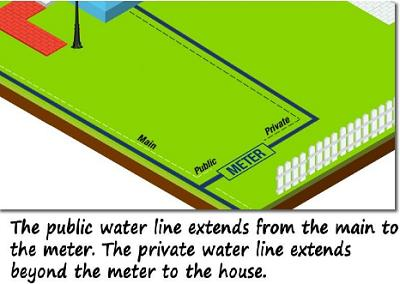
7.- Private vs. Public Utility Locating: What Contractors Must Know
Understanding the difference between public and private utility locating is essential for managing risk, cost, and compliance on construction projects.
Public utility locating (811)
Public utility locating is performed through the 811 one-call system and includes:
- Utilities owned by public providers
- Typically located within the public right-of-way
Key characteristics:
- Free service
- Limited scope
- No depth information
- No guarantee of completeness
- No liability coverage for missed private utilities
Private utility locating
Private utility locating is performed by specialized firms using advanced detection technologies.
Key characteristics:
- Covers utilities not marked by 811
- Includes private water, sewer, electrical, gas, and communications
- Provides detailed utility mapping
- Often includes depth estimates
- Reduces risk and uncertainty before excavation
Side-by-side comparison
| Aspect | Public Utility Locating (811) | Private Utility Locating |
|---|---|---|
| Cost | Free | Paid professional service |
| Utility ownership | Public utilities only | Private + public (verification) |
| Coverage | Limited | Comprehensive |
| Depth information | No | Often yes |
| Accuracy level | Basic | High |
| Liability protection | None | Professional documentation |
| Best use | Initial notification | Pre-construction risk control |
Why experienced contractors use both
Professional contractors do not see this as an either/or decision.
The best practice is:
- Call 811 to comply with legal requirements.
- Hire a private utility locator to identify everything 811 does not cover.
This combined approach:
- Minimizes utility strikes
- Protects schedules and budgets
- Demonstrates due diligence
- Strengthens your position in case of disputes
In modern construction, private utility locating is not an extra—it is risk management.
8.- Conclusion
Yes, calling 811 is free. Utility companies pay for this service to protect you and your neighbors from damage to underground lines.
You can call 811 to request a free underground utility locate before you dig. You should call at least two business days before you plan to dig. You’ll need to provide the following information:
Where you’re planning to dig
What type of work you will be doing
8.- Recommendations
To learn more about the depths of the services see this post.
Need More Than 811? Request a Private Utility Locate Before You Dig
To learn more about What is 811?, these links are very instructive.