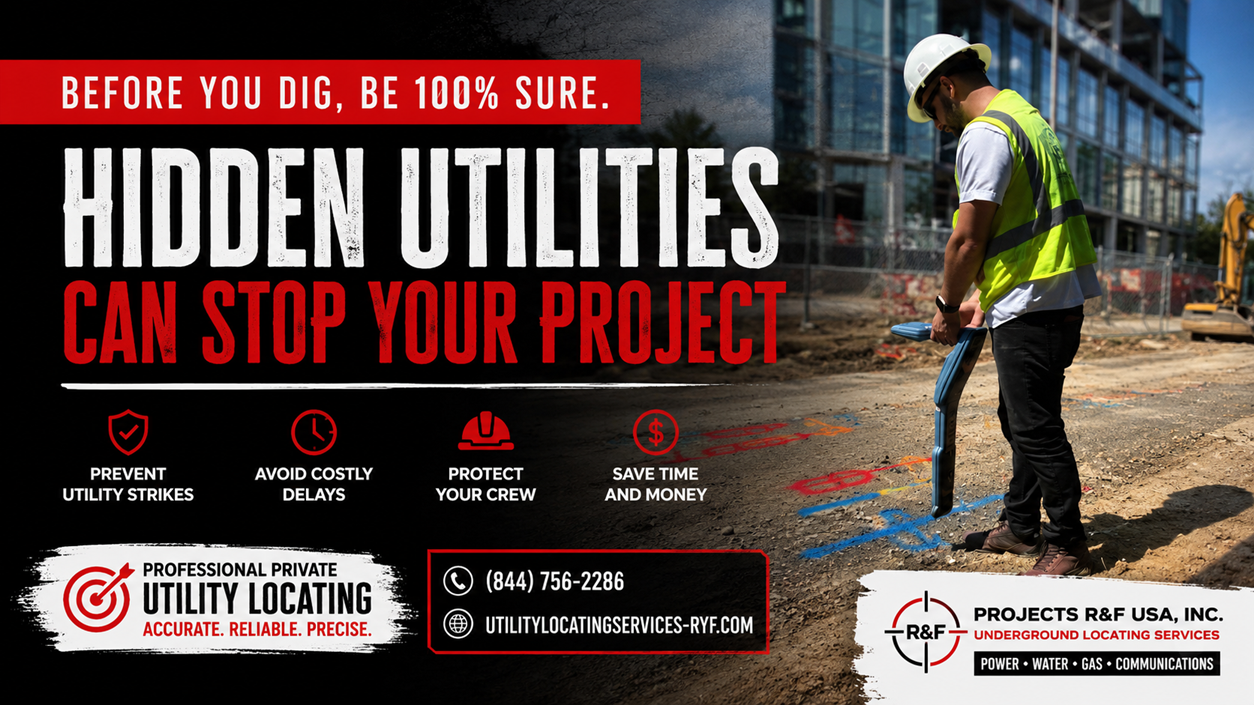
Being safe before digging is critical for every construction and excavation project. Underground utilities can create serious safety hazards, expensive delays, and unexpected damages if they are not properly located before work begins.
Every excavation project starts with confidence.
The plans are approved.
The equipment is ready.
The crews are scheduled.
The project timeline is moving forward.
But underground conditions are often a different story.
Every year, contractors, developers, and property owners experience unexpected underground utility strikes that generate:
- expensive emergency repairs,
- project shutdowns,
- safety incidents,
- failed inspections,
- property damage,
- and legal liability.
In many cases, the problem is not poor construction.
The problem is incomplete underground utility information.
Many professionals still believe that calling 811 guarantees every buried utility has been identified.
Unfortunately, that is not always true.
1. Understanding the Hidden Risk Beneath Your Project
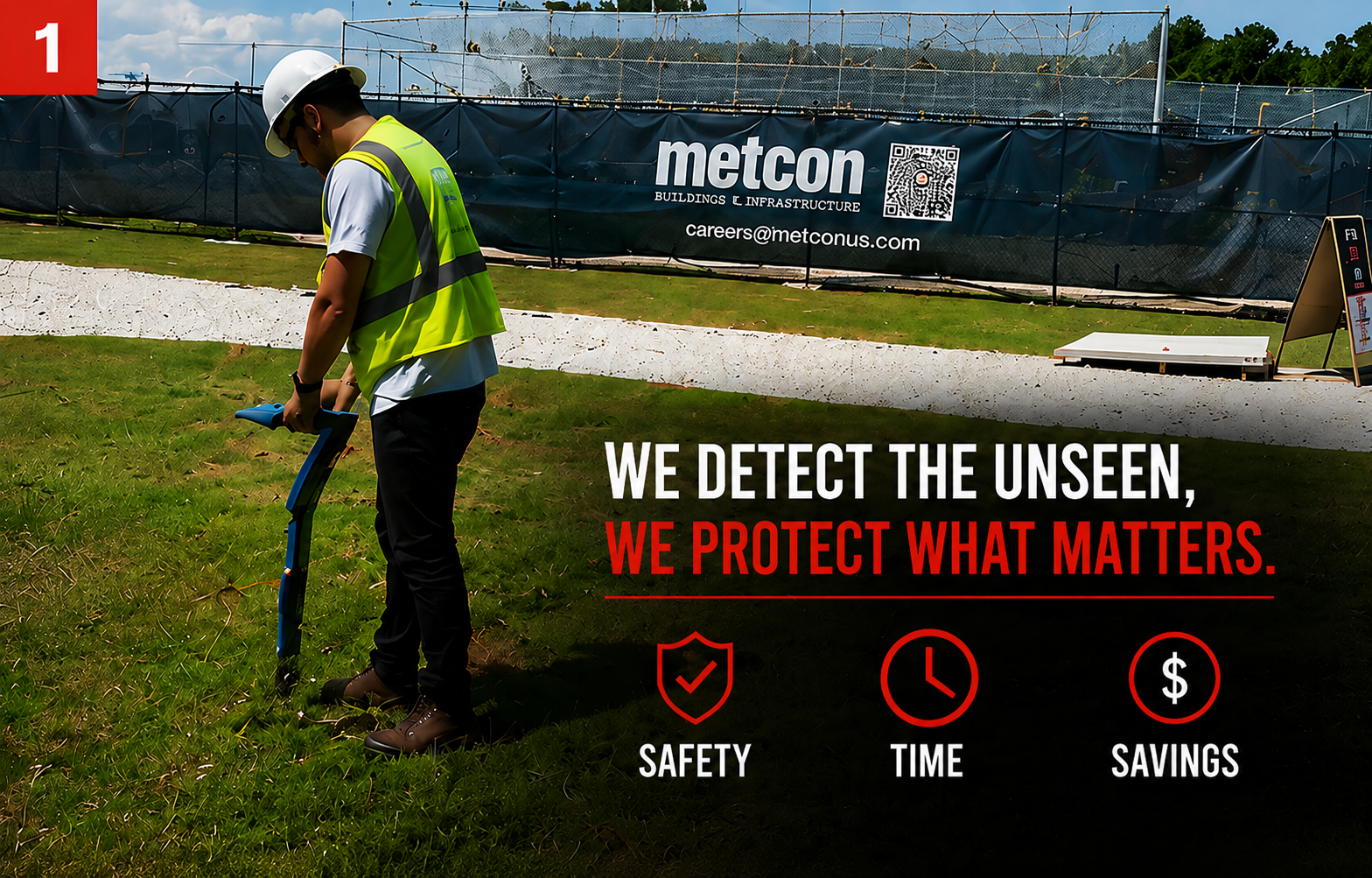
Being safe before digging requires more than simply waiting for utility markings.One of the biggest risks in construction is that underground infrastructure is invisible.
You cannot see:
- buried power lines,
- private water services,
- communication cables,
- irrigation systems,
- sewer laterals,
- or internal facility utilities.
Yet they may exist directly beneath:
- parking lots,
- sidewalks,
- landscaped areas,
- driveways,
- buildings,
- and excavation zones.
Without proper underground utility locating, excavation becomes a guessing game.
And guessing underground is dangerous.
Our goal is to keep every project safe before digging begins.
2. Why Calling 811 May NOT Be Enough
Many property owners are surprised to learn that 811 services generally focus on public utility infrastructure.
That means utilities located AFTER the service point or meter are often considered private utilities.
Many contractors assume 811 covers everything — it does not.
2.1 Common Private Utilities Often NOT Marked by 811
2.1.1 Private Electrical Infrastructure
- parking lot lighting,
- detached buildings,
- electrical feeds,
- gate systems,
- EV charging stations.
2.1.2 Private Water Systems
- irrigation lines,
- domestic water services,
- fire sprinkler supplies,
- auxiliary water piping.
2.1.3 Communication Infrastructure
- fiber optic systems,
- internet lines,
- security systems,
- surveillance cables.
2.1.4 Sewer & Drainage Systems
- private sewer laterals,
- storm drainage,
- septic connections,
- underground drain systems.
This is one of the reasons why many underground utility strikes still happen even after 811 markings are completed.
Contractors must be safe before digging to avoid utility strikes.
811 systems do not always cover private underground utilities located on private property.
3. The 7 Critical Risks Contractors Often Ignore Before Digging
3.1 Unexpected Project Delays
One damaged utility line can stop an entire project.
This frequently creates:
- failed inspections,
- rescheduling conflicts,
- subcontractor delays,
- equipment downtime,
- and customer dissatisfaction.
Even small utility strikes can delay a project for days or weeks.
3.2 Expensive Emergency Repairs
Emergency utility repairs are significantly more expensive than preventive locating services.
Costs may include:
- emergency crews,
- asphalt or concrete repairs,
- utility restoration,
- equipment replacement,
- and overtime labor.
A preventable utility strike can quickly become a major financial issue.
Professional utility locating helps construction teams stay safe before digging.
3.3 Safety Hazards for Workers and Equipment
Underground electrical systems and utility infrastructure can create serious safety hazards during excavation.
Potential risks include:
- electrical shock,
- fire,
- gas exposure,
- flooding,
- equipment damage,
- and personnel injuries.
Excavation safety should never depend on assumptions.
3.4 Property Damage and Liability Exposure
Utility strikes can affect:
- nearby buildings,
- tenants,
- businesses,
- public access,
- and critical operations.
In some situations, contractors may face:
- repair liability,
- insurance claims,
- project disputes,
- or operational losses.
3.5 Older Properties Often Have Undocumented Utilities
Many commercial properties have undergone:
- renovations,
- additions,
- utility modifications,
- expansions,
- or temporary installations over many years.
Unfortunately, underground records are not always updated correctly.
This creates hidden risks that are impossible to identify visually.
3.6 Utility Drawings Are Not Always Accurate
Even when underground drawings exist, field conditions frequently differ from original plans.
Common issues include:
- abandoned lines,
- relocated utilities,
- undocumented installations,
- incorrect depths,
- or inaccurate utility paths.
Professional locating helps verify actual field conditions before excavation begins.
3.7 False Confidence Is One of the Biggest Excavation Risks
One of the most dangerous assumptions in construction is:
“If there are no markings, the area must be clear.”
That assumption has caused countless underground utility damages.
No visible markings does NOT guarantee the absence of buried utilities.
4. Why Professional Private Utility Locating Matters
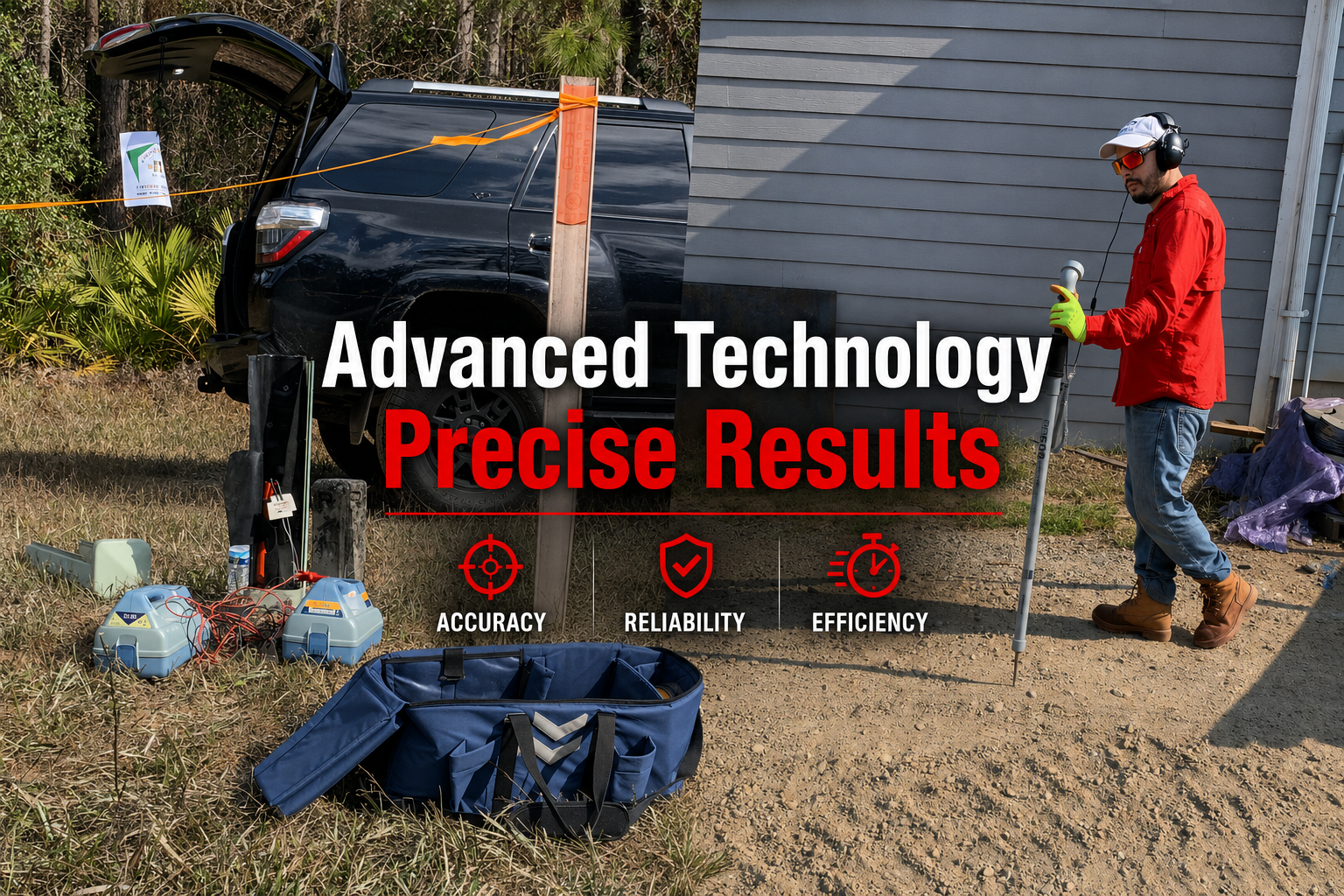
Professional private utility locating helps contractors and property owners reduce underground uncertainty before excavation starts.
Using specialized locating equipment and field expertise, underground utilities can often be identified before they become major problems.
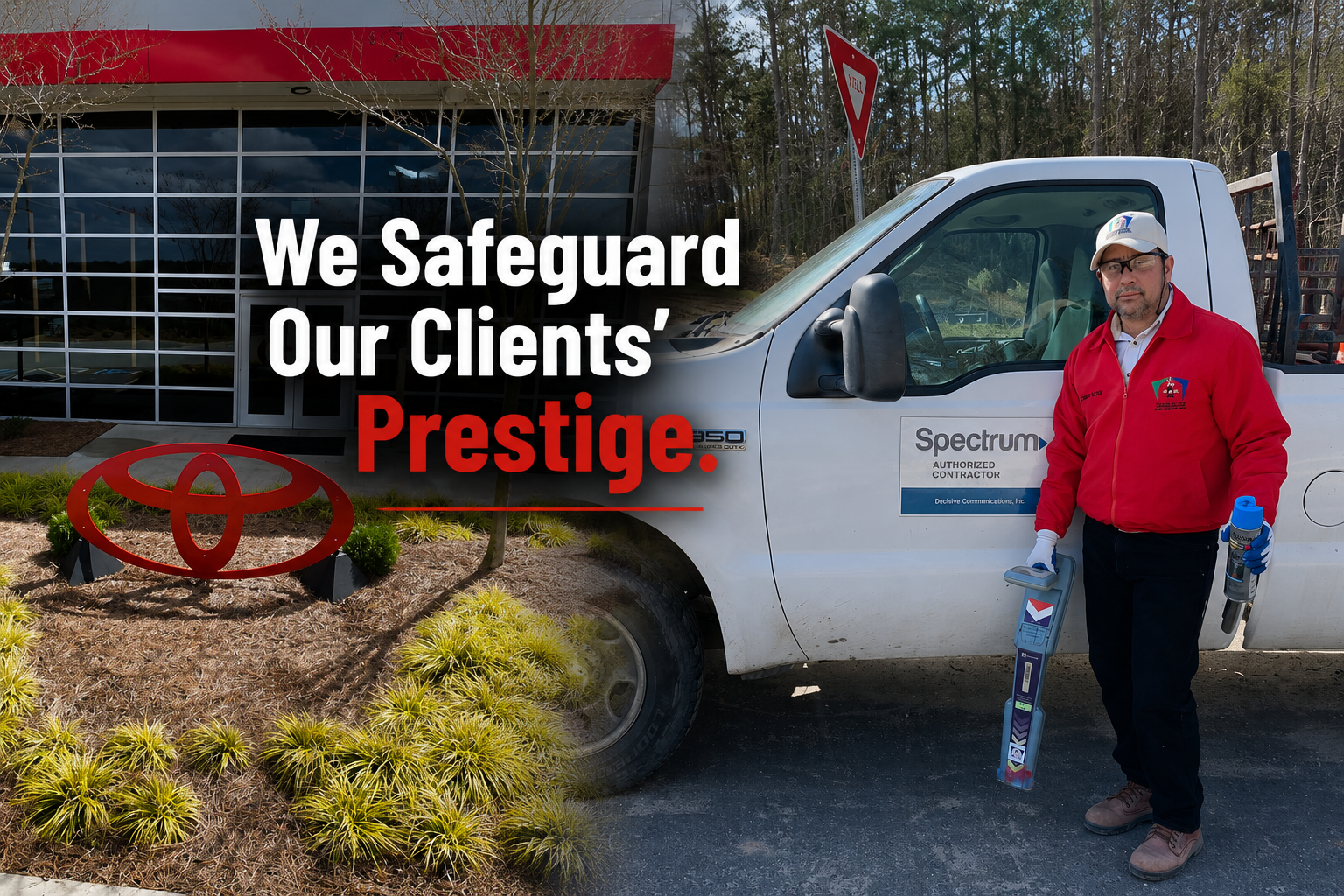
At Projects R&F USA, Inc., we help contractors, commercial property owners, and construction teams identify hidden underground infrastructure across North Carolina.
Our goal is simple:
Help projects move forward with:
- greater safety,
- improved planning,
- reduced delays,
- and lower excavation risk.
5. Projects That Commonly Require Private Utility Locating
Private utility locating is highly recommended before performing:
5.1 Construction & Excavation
- trenching,
- grading,
- demolition,
- directional boring,
- utility installation.
5.2 Commercial Property Improvements
- parking lot construction,
- lighting installation,
- signage installation,
- drainage improvements,
- sidewalk expansion.
5.3 Residential & Property Services
- fence installation,
- irrigation projects,
- water line repairs,
- septic work,
- landscaping projects.
6. The Cost of Prevention Is Usually Much Lower Than the Cost of Damage
Professional utility locating is often one of the smallest costs within a project budget.
But it can become one of the most valuable investments in preventing:
- emergency repairs,
- operational interruptions,
- project delays,
- and underground utility damage.
In construction, prevention is always less expensive than recovery.
7. Final Thoughts — Before You Dig, Be Certain
Before excavation begins, every contractor and property owner should ask one important question:
“Are we truly 100% sure this site is safe before digging?”
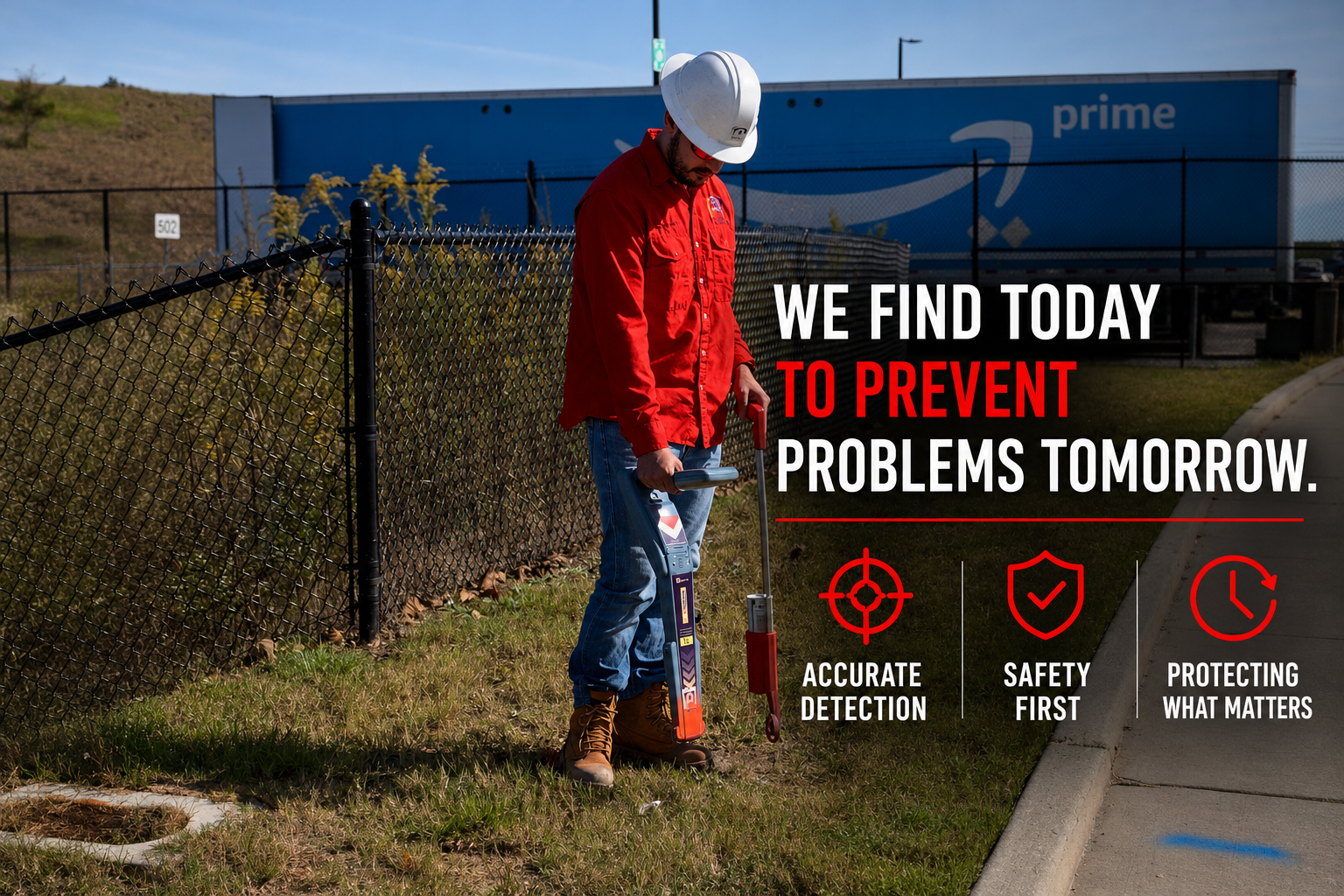
That single question can help prevent:
- damaged utilities,
- project shutdowns,
- safety incidents,
- and major financial losses.
Professional private utility locating helps provide the information needed to move forward with greater confidence.
Need Professional Private Utility Locating?
Protect Your Project Before Excavation Starts
Before your crew breaks ground, make sure hidden private utilities are properly identified. Projects R&F USA helps contractors reduce risk, avoid delays, and protect their projects with professional private utility locating services.
✅ General Contractors
✅ Commercial Projects
✅ Utility Infrastructure
✅ Excavation Safety Support
Request a Quote Here
📞Call us today: (844) 756-2286
Professional utility locating helps construction teams stay safe before digging.
PROJECTS R&F USA, INC.
UNDERGROUND LOCATING SERVICES
POWER · WATER · GAS · COMMUNICATIONS
Make The Invisible, Visible.
📞 (844) 756-2286
According to OSHA excavation safety guidelines, underground utility damage remains one of the most common construction risks.
- 1. Understanding the Hidden Risk Beneath Your Project
- 2. Why Calling 811 May NOT Be Enough
- 3. The 7 Critical Risks Contractors Often Ignore Before Digging
- 3.1 Unexpected Project Delays
- 3.2 Expensive Emergency Repairs
- 3.3 Safety Hazards for Workers and Equipment
- 3.4 Property Damage and Liability Exposure
- 3.5 Older Properties Often Have Undocumented Utilities
- 3.6 Utility Drawings Are Not Always Accurate
- 3.7 False Confidence Is One of the Biggest Excavation Risks
- 4. Why Professional Private Utility Locating Matters
- 5. Projects That Commonly Require Private Utility Locating
- 6. The Cost of Prevention Is Usually Much Lower Than the Cost of Damage
- 7. Final Thoughts — Before You Dig, Be Certain
- “Are we truly 100% sure this site is safe before digging?”
- Need Professional Private Utility Locating?
- Protect Your Project Before Excavation Starts
- PROJECTS R&F USA, INC.