1.- Introducción
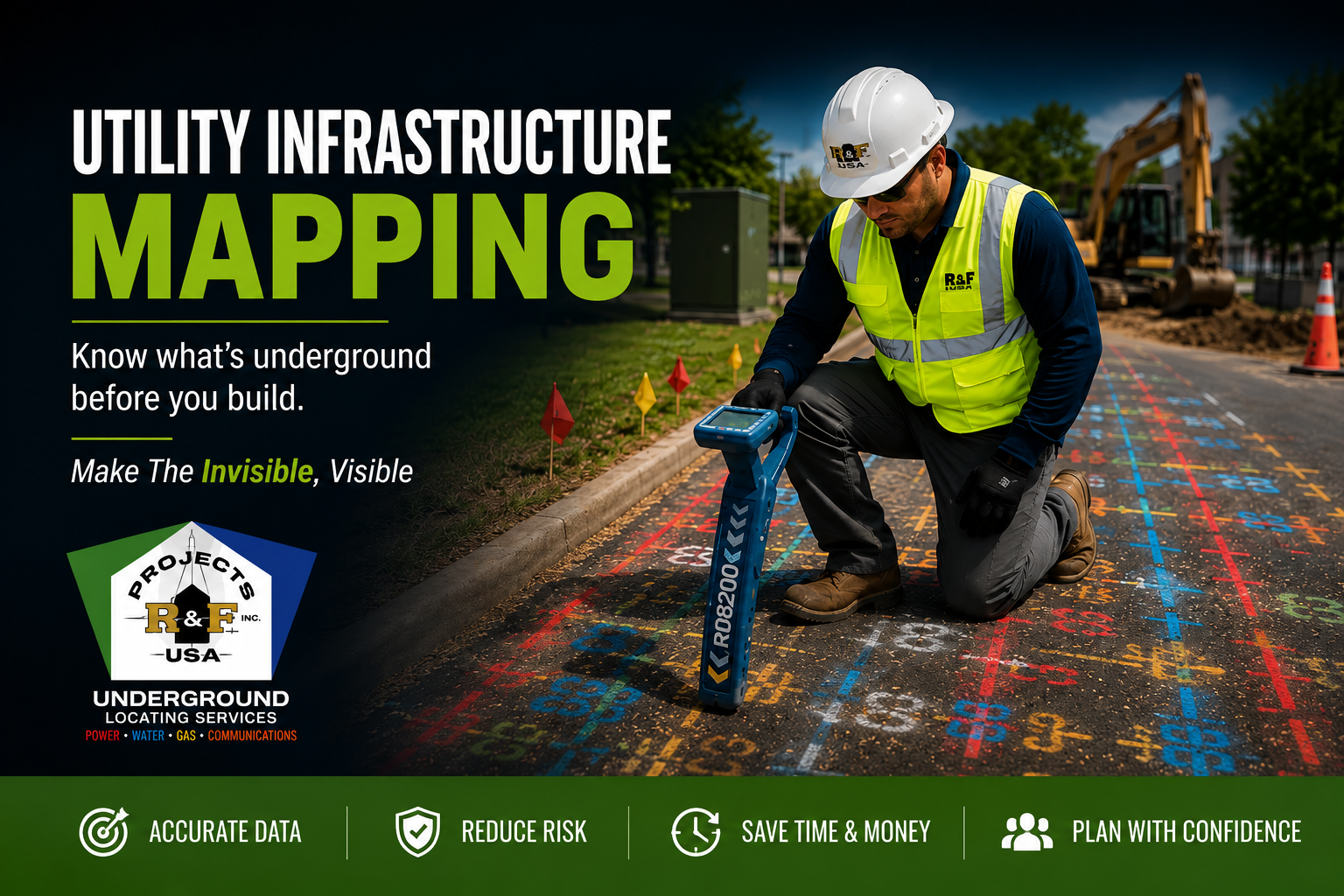
Utility infrastructure mapping is one of the most critical steps before any construction project begins. Without a clear understanding of underground utilities, contractors face serious risks including delays, damages, and unexpected costs.
Underground risks are invisible—until they become expensive.
Many contractors rely on basic utility locating, assuming it’s enough.
But when private utilities are missed, projects face delays, damages, and unexpected costs.
So, what’s missing?
This is where utility infrastructure mapping changes the game.
- 1.- Introducción
- 2.- What Is Utility Infrastructure Mapping?
- 3.- Why Utility Infrastructure Mapping Is Essential for Contractors
- 4.- 7 Risks Contractors Avoid With Utility Mapping
- 5.- What Happens If You Skip Utility Infrastructure Mapping?
- 6.- When Should You Use Utility Mapping in a Project?
- 7.- Utility Mapping vs 811: Critical Differences
- 8.- How Mapping Impacts Project Cost and Timeline
- 9.- How Utility Infrastructure Mapping Improves Project Planning
- 10.- Do You Need Utility Infrastructure Mapping for Your Project?
- 11.- What Do You Actually Receive With Utility Infrastructure Mapping?
- 12.- Final Thoughts: Is Utility Mapping Worth It?
- 13.- Why Contractors Trust Professional Utility Mapping Services
2.- What Is Utility Infrastructure Mapping?
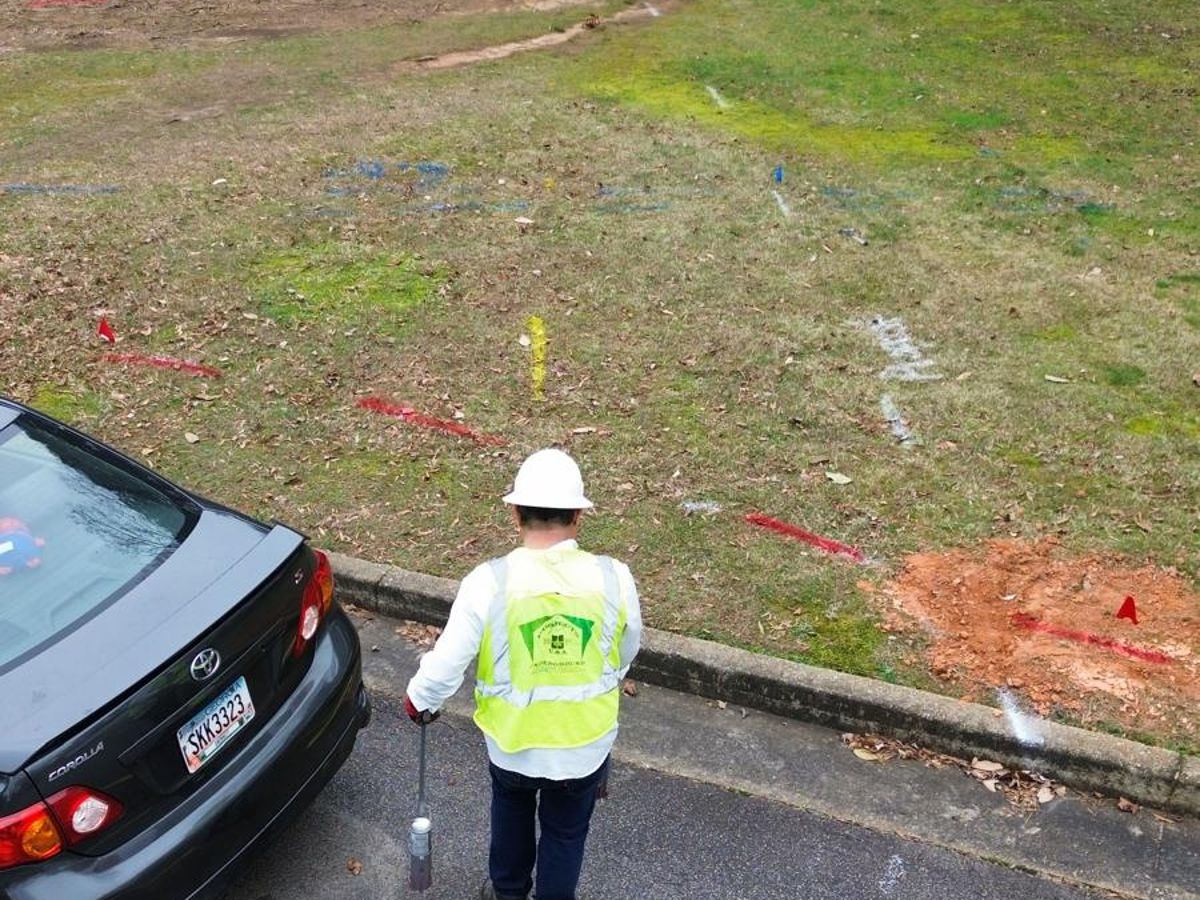
Utility infrastructure mapping goes beyond marking lines on the ground.
It involves:
- Identifying underground utilities
- Mapping their exact position
- Understanding depth, alignment, and conflicts
- Providing a clear visual for decision-making
This transforms locating into a planning tool, not just a safety step.
3.- Why Utility Infrastructure Mapping Is Essential for Contractors
Standard utility locating focuses on detection.
But contractors need:
- Context
- Accuracy
- Project integration
Without mapping:
- You know where something is
- But not how it affects your project
That gap is where risk lives.
4.- 7 Risks Contractors Avoid With Utility Mapping
- Utility strikes during excavation
- Project delays due to unknown lines
- Cost overruns from emergency fixes
- Rework caused by poor planning
- Safety incidents on site
- Legal liability from damages
- Change orders impacting budgets
This is not theory.
These are daily issues in construction projects.
5.- What Happens If You Skip Utility Infrastructure Mapping?
Skipping utility infrastructure mapping may seem like a way to save time or reduce upfront costs. However, in reality, it often leads to much larger problems during construction.
Without proper utility infrastructure mapping, contractors are forced to make decisions with incomplete information. This increases the likelihood of damaging underground utilities such as private water lines, electrical conduits, communication cables, or sewer systems.
When a utility strike occurs, the consequences can include:
- Immediate work stoppages
- Unexpected repair costs
- Project delays and rescheduling
- Safety risks for workers
- Potential legal liabilities
In many cases, the cost of repairing a damaged utility far exceeds the cost of performing utility infrastructure mapping before excavation begins.
Additionally, projects without mapping often require reactive solutions instead of proactive planning. This creates inefficiencies that impact both timelines and budgets.
For contractors, project managers, and engineers, utility infrastructure mapping is not just a technical step — it is a strategic decision that directly affects project success.
6.- When Should You Use Utility Mapping in a Project?
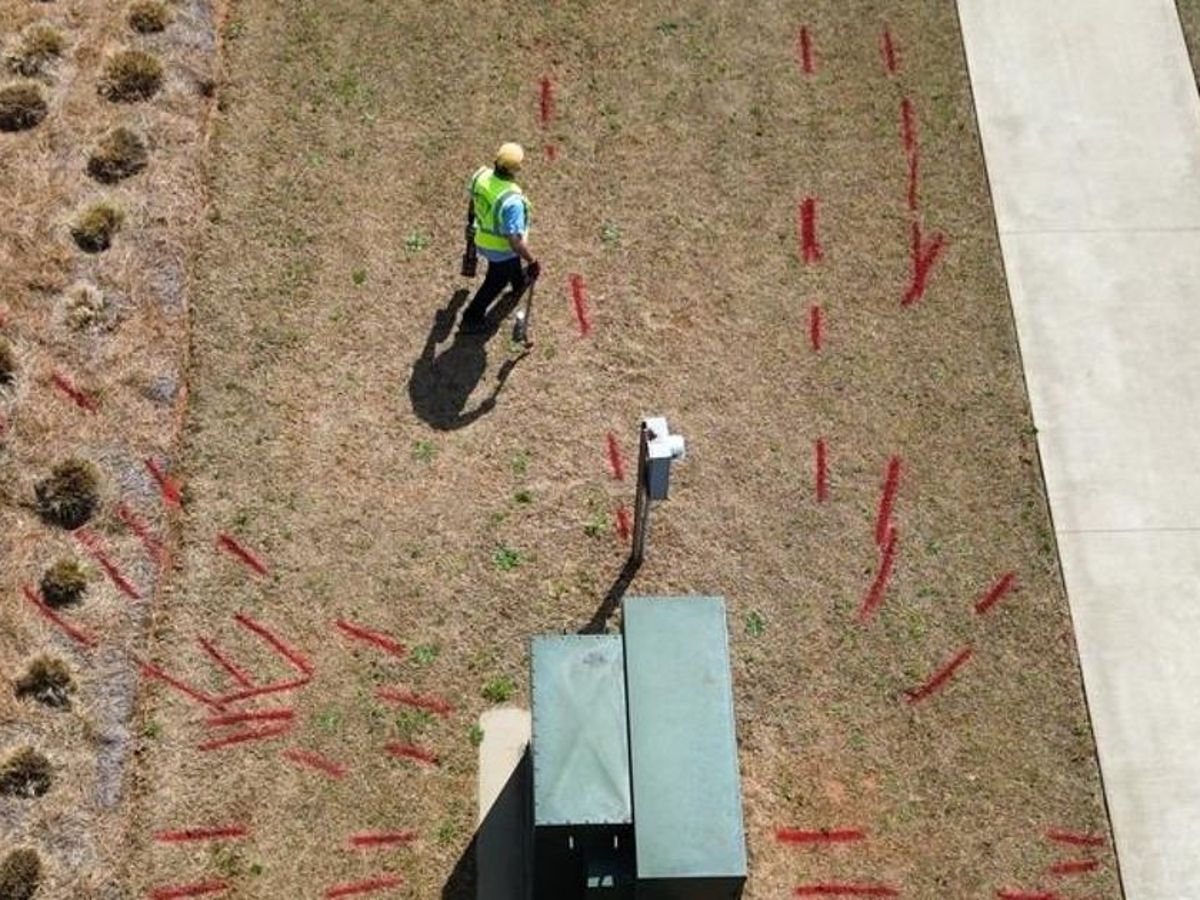
Utility mapping is critical when:
- Pre-construction planning
- Excavation near buildings
- Installing pipelines or cables
- Working in developed areas
- Projects with unknown utility history
If your project involves underground work, mapping is not optional—it’s strategic.
7.- Utility Mapping vs 811: Critical Differences
811 services:
- Focus on public utilities
- Do not cover private infrastructure
- Provide limited scope
Utility mapping:
- Includes private utilities
- Provides detailed visualization
- Supports project planning
👉 This difference is where most project risks originate.
While services like the 811 utility locating service limitations help identify public utilities, they do not cover private infrastructure.
8.- How Mapping Impacts Project Cost and Timeline
Projects without mapping often face:
- Unexpected stops
- Redesigns
- Additional labor costs
With mapping:
- Planning improves
- Execution becomes predictable
- Risks are minimized early
This directly protects your margins.
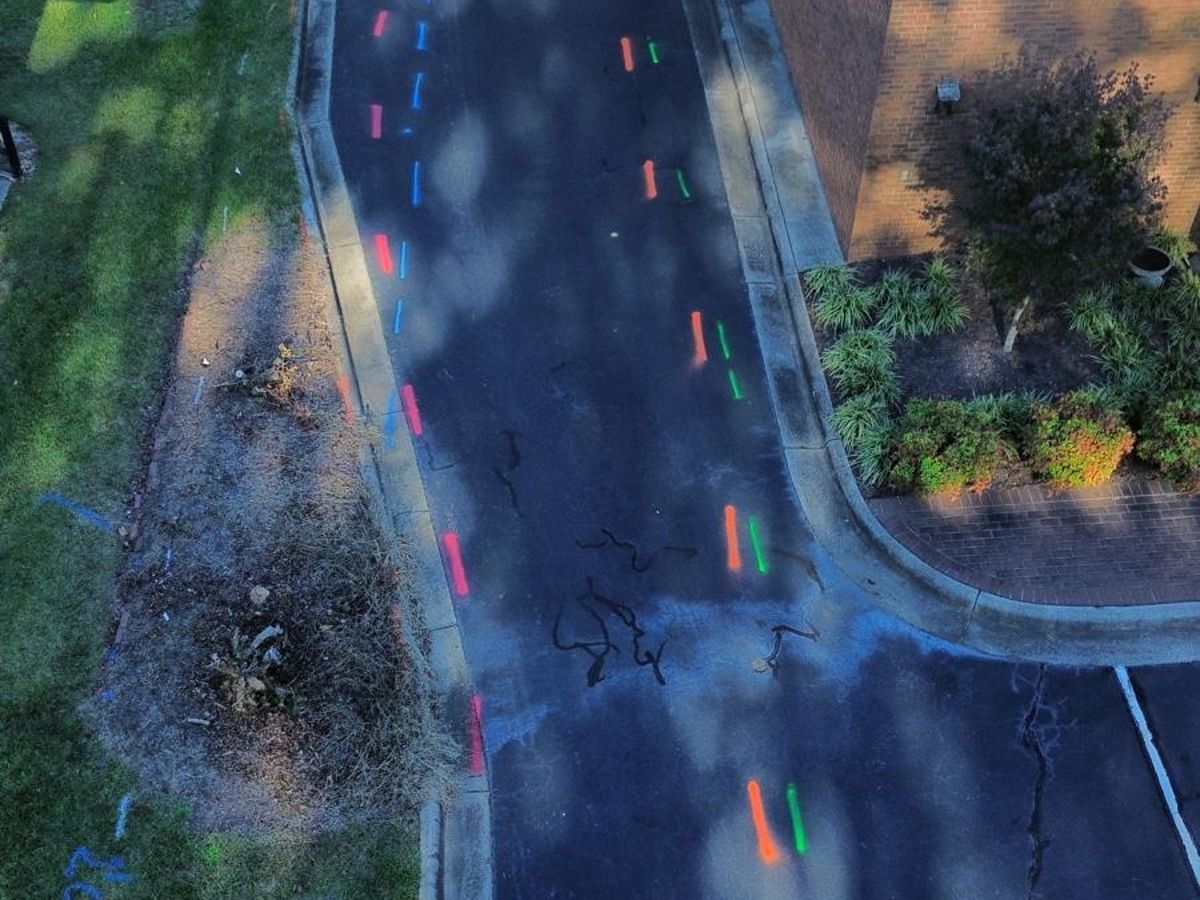
9.- How Utility Infrastructure Mapping Improves Project Planning
Utility infrastructure mapping provides contractors with accurate data before excavation begins. This allows project teams to plan around existing utilities instead of reacting to unexpected discoveries.
With proper mapping, contractors can:
- Reduce excavation risks
- Improve project scheduling
- Avoid costly redesigns
- Increase overall job site safety
This level of visibility is essential for modern construction projects where precision and efficiency are required.
10.- Do You Need Utility Infrastructure Mapping for Your Project?
If your project involves excavation, underground installation, or construction near existing infrastructure, utility infrastructure mapping is not optional—it is essential.
You should consider utility infrastructure mapping if:
- You are working on a construction or development project
- Your site has existing underground utilities
- You want to avoid costly delays and damages
- You need accurate data before excavation
In today’s construction environment, relying only on basic locating methods is not enough. Utility infrastructure mapping provides the level of detail and confidence required to plan and execute projects safely.
For contractors and project managers, the real question is not whether you need it—but whether you can afford to move forward without it.
11.- What Do You Actually Receive With Utility Infrastructure Mapping?
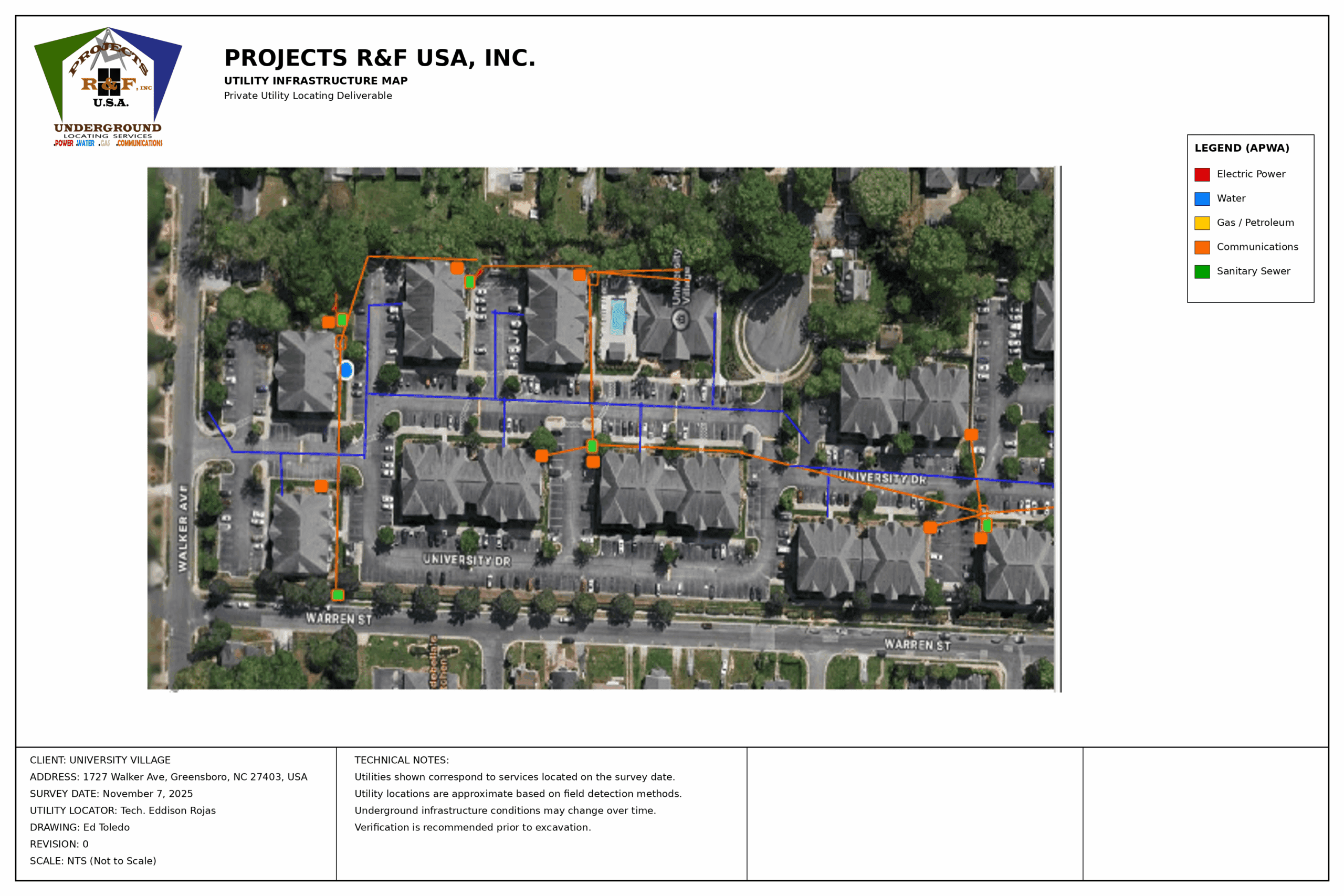
This is a real example of a utility infrastructure mapping deliverable provided to a client.
This type of report includes:
- Accurate mapping of underground utilities
- Identification of private and public infrastructure
- Color-coded utility classification based on APWA standards
- Field-verified data using professional locating equipment
- Clear visualization for planning and decision-making
This is not just marking lines on the ground.
It is a structured deliverable that allows contractors to plan and execute projects with confidence.
12.- Final Thoughts: Is Utility Mapping Worth It?
If avoiding delays, protecting budgets, and reducing risk matters—
then the answer is clear.
Utility infrastructure mapping is not an expense.
It is a risk control strategy.
According to the Common Ground Alliance best practices for excavation safety, failing to properly identify underground utilities is one of the leading causes of project delays and damages.
American Society of Civil Engineers infrastructure standards
13.- Why Contractors Trust Professional Utility Mapping Services
Contractors who rely on utility infrastructure mapping gain a clear advantage in project execution. Instead of reacting to unknown underground conditions, they operate with accurate data and confidence.
Professional utility mapping services provide:
- Precise identification of private and public utilities
- Reduced risk during excavation
- Better coordination between project teams
- Increased efficiency in planning and execution
For construction professionals, this is not just a technical service—it is a critical part of risk management.
Don’t start your project without knowing what’s underground.
Schedule your utility infrastructure mapping service today.
👉 Schedule Your Utility Mapping Service Before You Build
👉 https://utilitylocatingservices-ryf.com/request-a-quote/
📞 (844) 756-2286