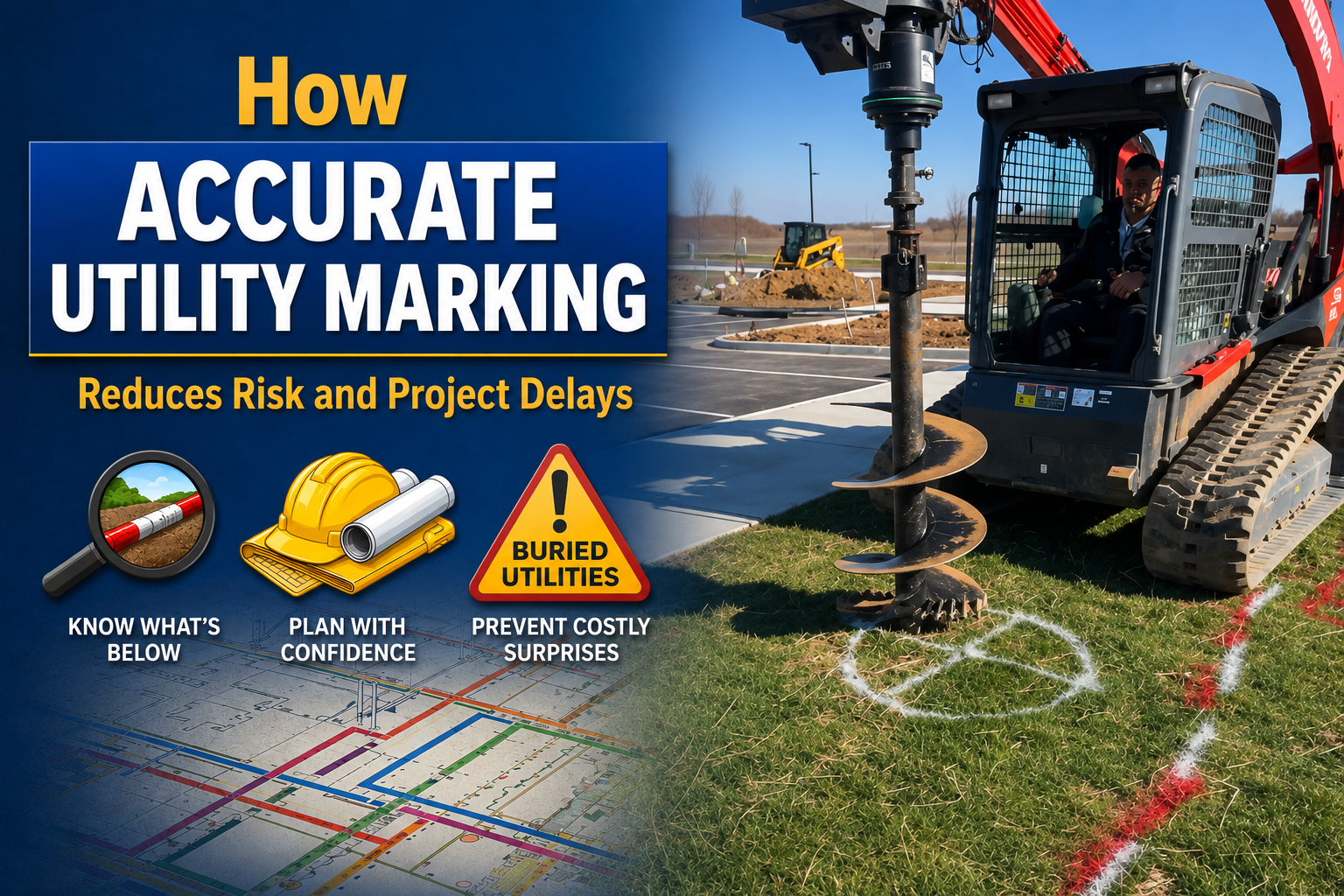
Every construction project begins with a plan. Schedules are developed, crews are assigned, materials are ordered, and equipment is mobilized. Yet one of the most common causes of project delays remains hidden beneath the surface: unknown or inaccurately marked underground utilities.
Whether the project involves excavation, trenching, fencing, landscaping, utility installation, paving, or site development, underground utility conflicts can quickly disrupt productivity, create safety hazards, and generate unexpected costs.
Accurate utility marking is not simply a regulatory requirement or a pre-excavation task. It is a critical risk management tool that helps contractors, project managers, and facility owners make informed decisions before ground disturbance begins.
Understanding where utilities are located—and having confidence in that information—can significantly reduce project risk, improve planning, and help keep construction activities on schedule.
Why Utility Strikes Continue to Happen
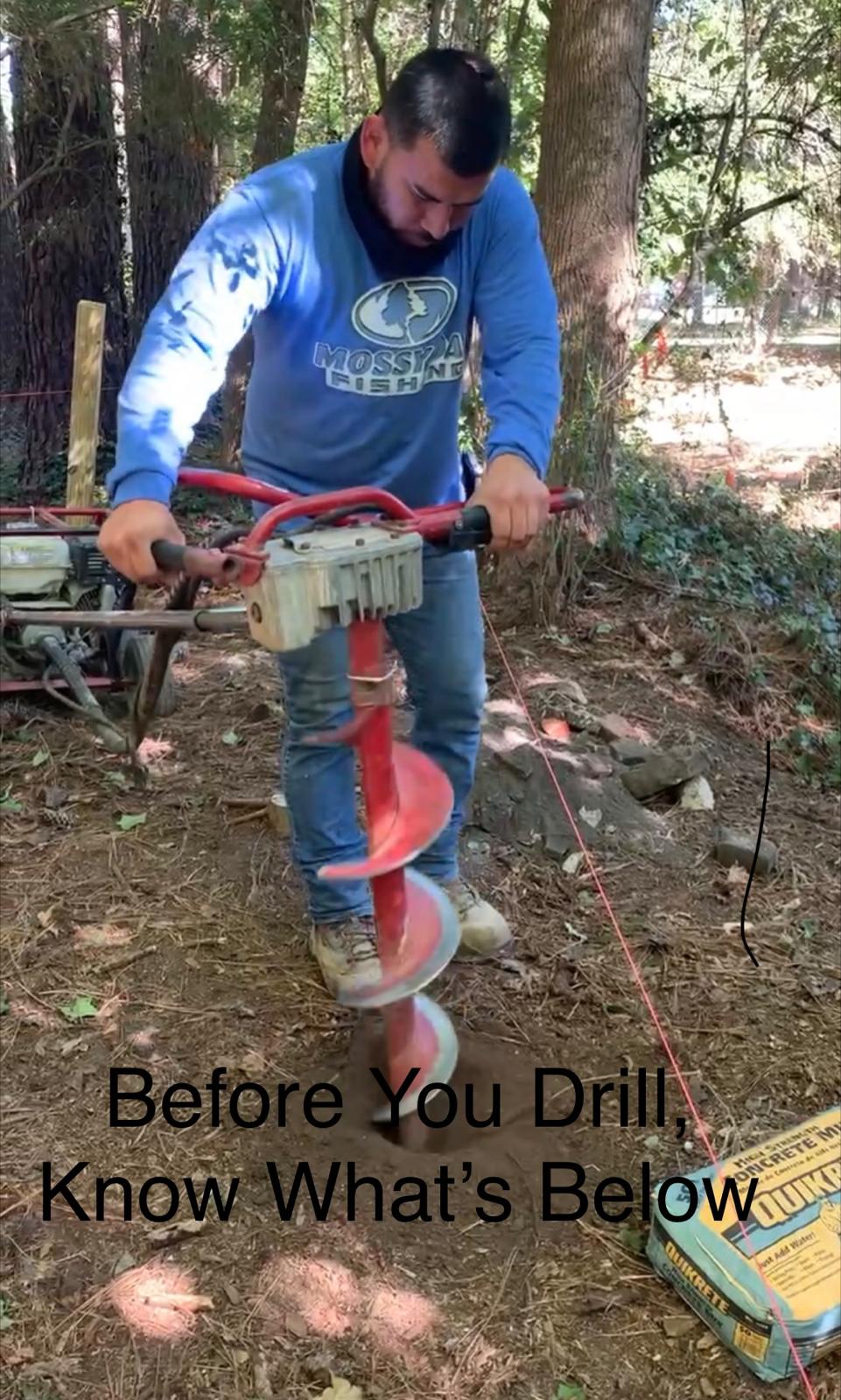
Despite advances in utility locating technology, utility strikes continue to occur throughout the construction industry.
Many incidents are not caused by negligence. Instead, they are often the result of incomplete information, inaccurate records, or assumptions made during project planning.
Common causes include:
- Outdated utility maps.
- Missing as-built documentation.
- Abandoned utilities that were never documented.
- Utility relocations not reflected in records.
- Inaccurate surface markings.
- Failure to identify private utilities.
Even when public utility markings are available, many project teams mistakenly assume that all underground infrastructure has been identified.
In reality, public utility marking programs often focus only on publicly owned utilities. Private utility systems may remain unidentified unless a separate investigation is performed.
This creates uncertainty that can lead to costly surprises once excavation begins.
The True Cost of Inaccurate Utility Marking
A damaged utility line can affect far more than the immediate repair cost.
When underground utilities are struck, projects may experience:
Project Delays
Construction activities may be suspended until repairs are completed and safety concerns are addressed.
Emergency Repair Costs
Unexpected utility damage often requires emergency response crews, specialized equipment, and unplanned expenditures.
Change Orders
Unknown utility conflicts can force design modifications, rerouting, or additional work that was not included in the original scope.
Safety Hazards
Damaged electrical, gas, communication, or water systems can expose workers and the public to significant risks.
Operational Disruptions
For facilities, hospitals, universities, industrial plants, and commercial properties, utility outages can affect daily operations and productivity.
The financial impact of these issues often exceeds the cost of performing proper utility locating and marking before excavation begins.
How Accurate Utility
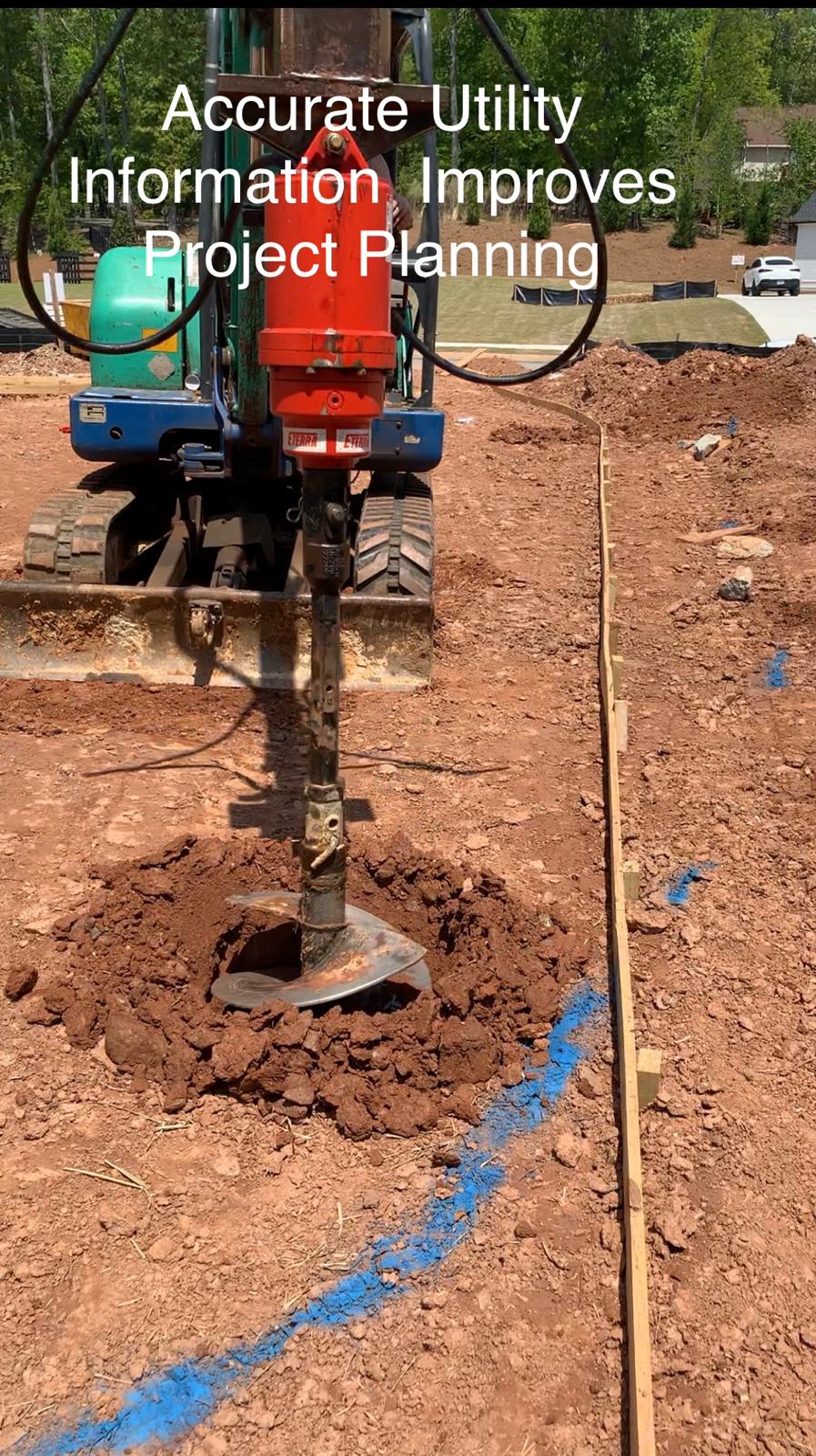
Marking Improves Project Planning
Accurate utility marking provides project teams with information that supports better decision-making throughout the construction process.
When underground utilities are clearly identified, contractors can:
- Plan excavation routes more effectively.
- Reduce uncertainty during construction.
- Improve crew productivity.
- Minimize conflicts between proposed and existing infrastructure.
- Reduce the likelihood of schedule disruptions.
- Improve communication among stakeholders.
Accurate utility information allows project managers to focus on execution rather than reacting to unexpected field conditions.
The result is a more predictable project with fewer surprises.
The Role of Private Utility Locating
One of the most misunderstood aspects of underground utility investigation is the difference between public utility marking and private utility locating.
Public utility marking programs are valuable and play an important role in excavation safety. However, they typically identify only utilities owned by participating utility companies.
Many critical underground systems are privately owned, including:
- Private electrical services.
- Private water lines.
- Irrigation systems.
- Site lighting circuits.
- Communication systems.
- Building-to-building utilities.
- Industrial process lines.
If these utilities are not identified before excavation, the risk of utility damage remains.
Private utility locating helps fill this information gap by investigating and marking underground infrastructure that may not be covered through traditional utility marking programs.
This additional layer of information can significantly improve project planning and reduce uncertainty.
Utility Marking as a Risk Management Strategy
Successful projects do not rely on assumptions.
They rely on information.
Accurate utility marking should be viewed as a proactive risk management strategy rather than simply a compliance activity.
Organizations that prioritize underground utility investigation often experience:
- Fewer utility strikes.
- Improved safety performance.
- Better schedule control.
- Reduced project costs.
- Increased confidence during excavation activities.
Advanced utility investigation methods, including Subsurface Utility Engineering (SUE), help organizations better understand underground conditions and proactively manage excavation-related risks.
The earlier utility information is incorporated into project planning, the greater the opportunity to avoid costly conflicts later.
Best Practices Before Excavation Begins
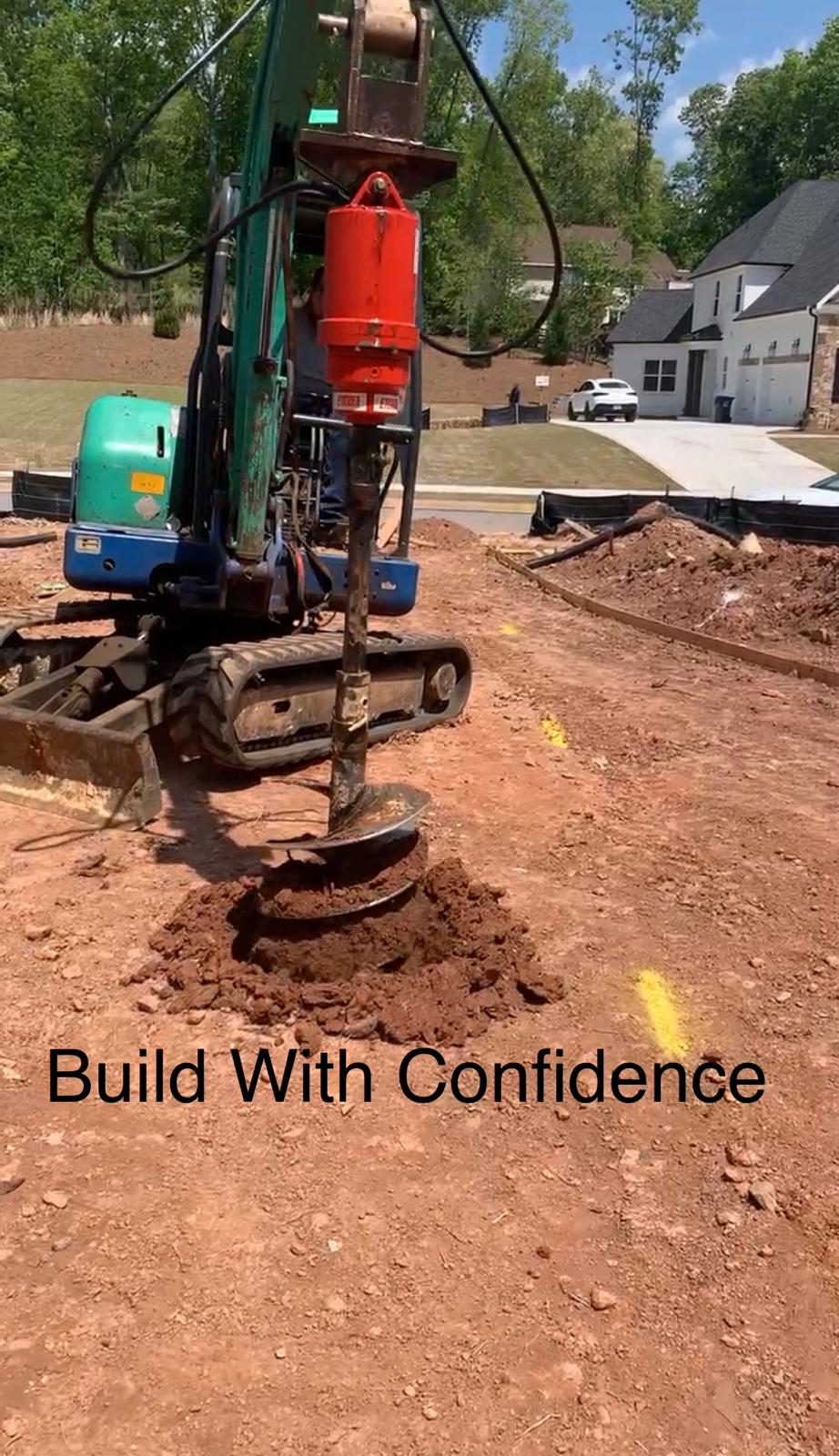
Accurate utility marking should be verified before any drilling, trenching, or excavation activities begin.
Project teams can improve excavation safety and reduce delays by following several best practices:
Verify Existing Utility Information
Review available drawings, utility records, and as-built documentation before construction begins.
Perform Utility Locating Early
Utility investigations should occur during project planning whenever possible, not after construction activities have already started.
Communicate Utility Information
Ensure that project managers, superintendents, equipment operators, and subcontractors understand utility locations and project constraints.
Maintain Clear Markings
Utility markings should remain visible and be refreshed as necessary throughout the project.
Document Findings
Accurate records and utility mapping can provide long-term value for future maintenance, repairs, and facility improvements.
Conclusion
Accurate utility marking is one of the most effective ways to reduce construction risk and prevent project delays.
By identifying underground utilities before excavation begins, project teams can improve safety, protect existing infrastructure, reduce costly disruptions, and maintain project schedules.
Whether the project involves a small excavation or a large-scale infrastructure improvement, having reliable underground utility information allows decisions to be made with greater confidence and fewer surprises.
Before your next excavation project begins, consider whether you have the information necessary to understand what lies below the surface.
Because the most expensive utility conflict is often the one nobody knew was there.
Accurate utility marking remains one of the most effective ways to reduce excavation risk and avoid costly project delays.
Related Articles
Projects R&F USA, Inc.
Make The Invisible, Visible