Introduction
Excavation projects involve more than heavy equipment and tight schedules. Without proper excavation safety before digging, contractors expose their projects to serious risks such as utility strikes, work stoppages, injuries, and unexpected costs.
Before the first shovel hits the ground, safety planning is not optional—it is a critical step that protects workers, infrastructure, and project profitability.
This article explains the essential safety measures contractors must take before excavation, with a practical focus on preventing underground utility damage.
Why Excavation Safety Before Digging Is Critical
https://www.osha.gov/laws-regs/regulations/standardnumber/1926
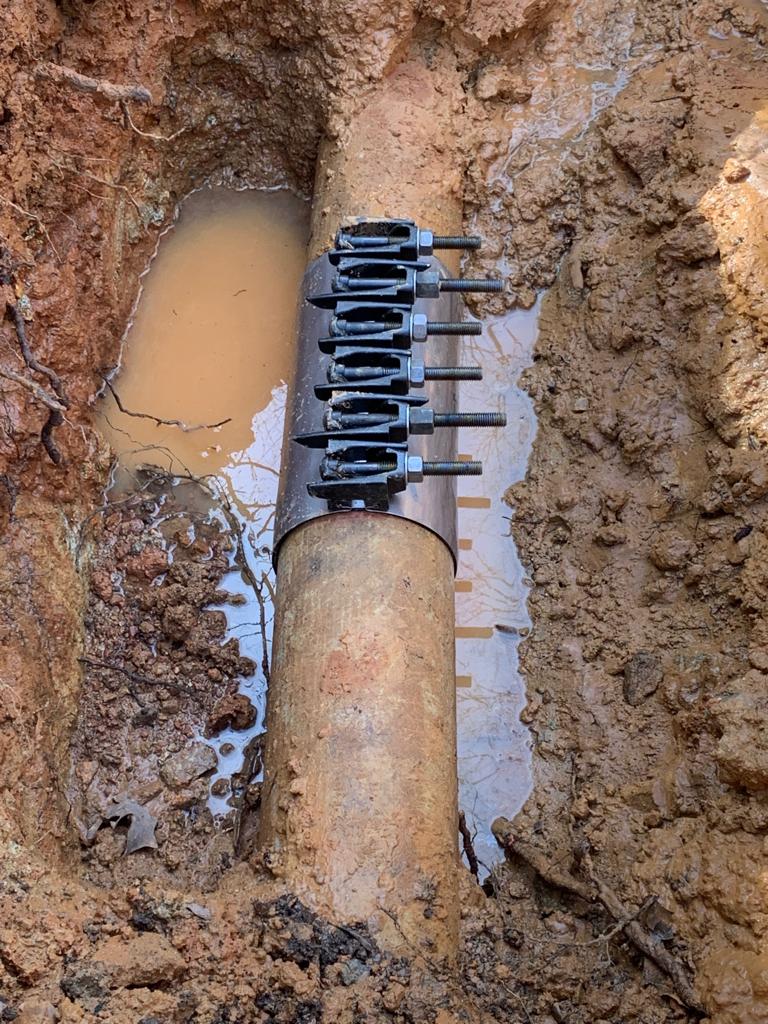
Every excavation site hides potential hazards beneath the surface. Water lines, gas pipes, electrical cables, and communication infrastructure are often undocumented or inaccurately mapped.
Failing to address excavation safety before digging can result in:
- Costly project delays
- Utility service disruptions
- Equipment damage
- Legal and financial liability
- Serious injuries or fatalities
For General Contractors and Engineers, excavation safety is not just compliance—it is risk management
Common Risks Associated With Unsafe Excavation
Unsafe excavation practices frequently lead to:
- Striking underground utilities
- Trench collapses
- Equipment-related accidents
- Environmental contamination
Most of these incidents occur before excavation even begins, due to insufficient planning, incomplete utility information, or reliance on outdated records.
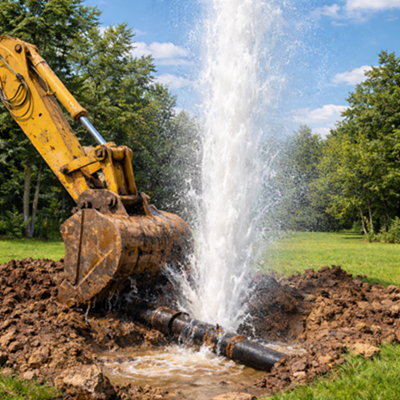
In excavation projects, many safety incidents are directly linked to unidentified underground utilities, making utility locating a critical component of excavation safety planning.
The Real Cost of Unsafe Excavation Work
Unsafe excavation is not only a safety issue—it is a direct financial risk. When underground utilities are damaged, projects face unplanned repair costs, schedule delays, insurance claims, and potential penalties. In many cases, a single utility strike can cost far more than the preventive measures that could have avoided it. For contractors, excavation safety failures often translate into budget overruns, lost productivity, and strained relationships with clients and stakeholders.
Excavation safety failures are not just safety incidents — they are budget failures.
Pre-Excavation Safety Planning: The First Line of Defense
Effective pre-excavation safety measures reduce uncertainty and improve jobsite control. Before digging, contractors should:
- Review project drawings critically
- Identify high-risk excavation zones
- Assess soil conditions and site constraints
- Coordinate with utility stakeholders
However, planning alone is not enough without accurate underground data.
https://www.cga-damageinformation.org
The Role of Underground Utility Locating in Excavation Safety
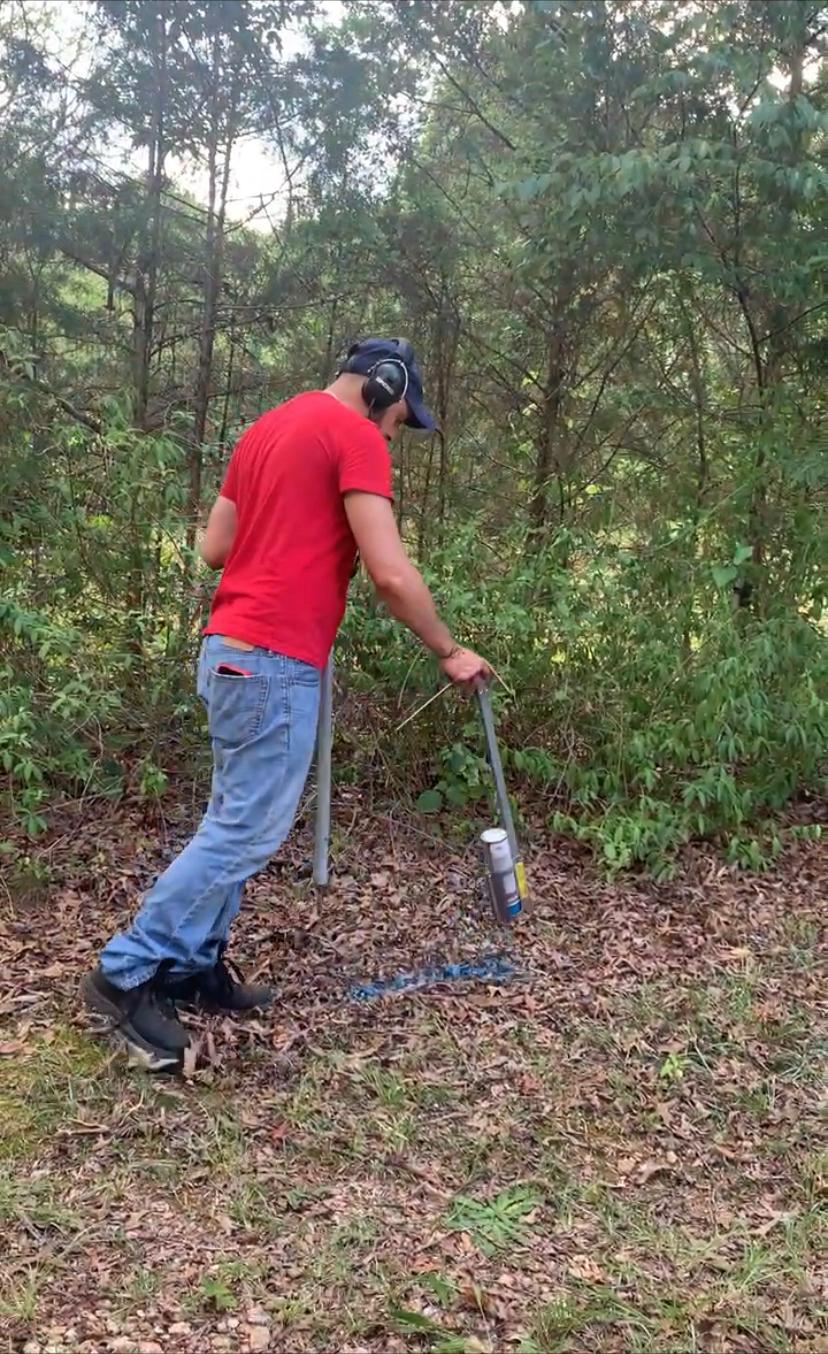
Safe Excavation Practices Before Digging
To improve excavation safety, contractors should implement the following practices:
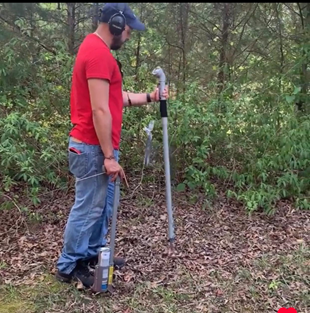
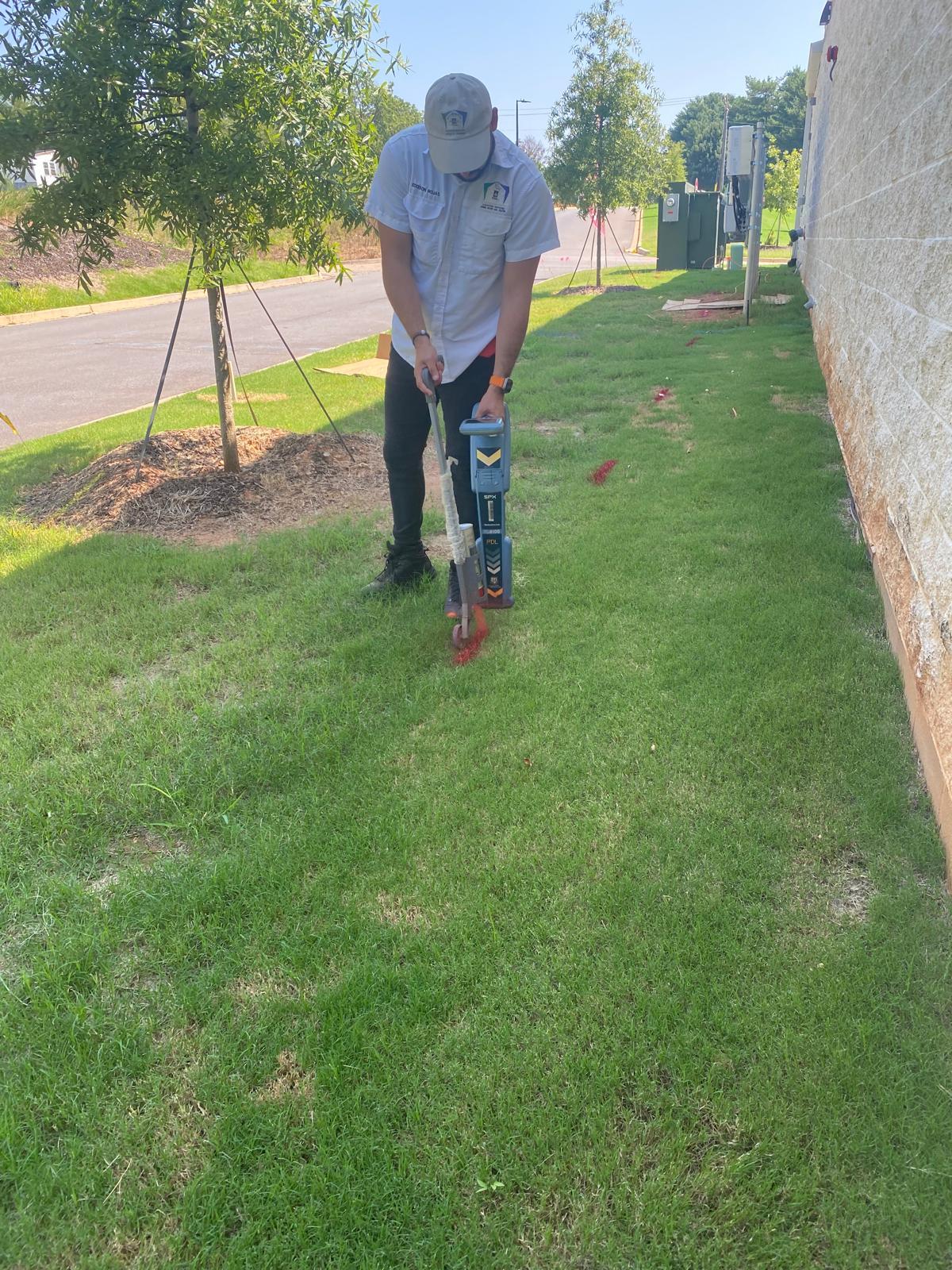
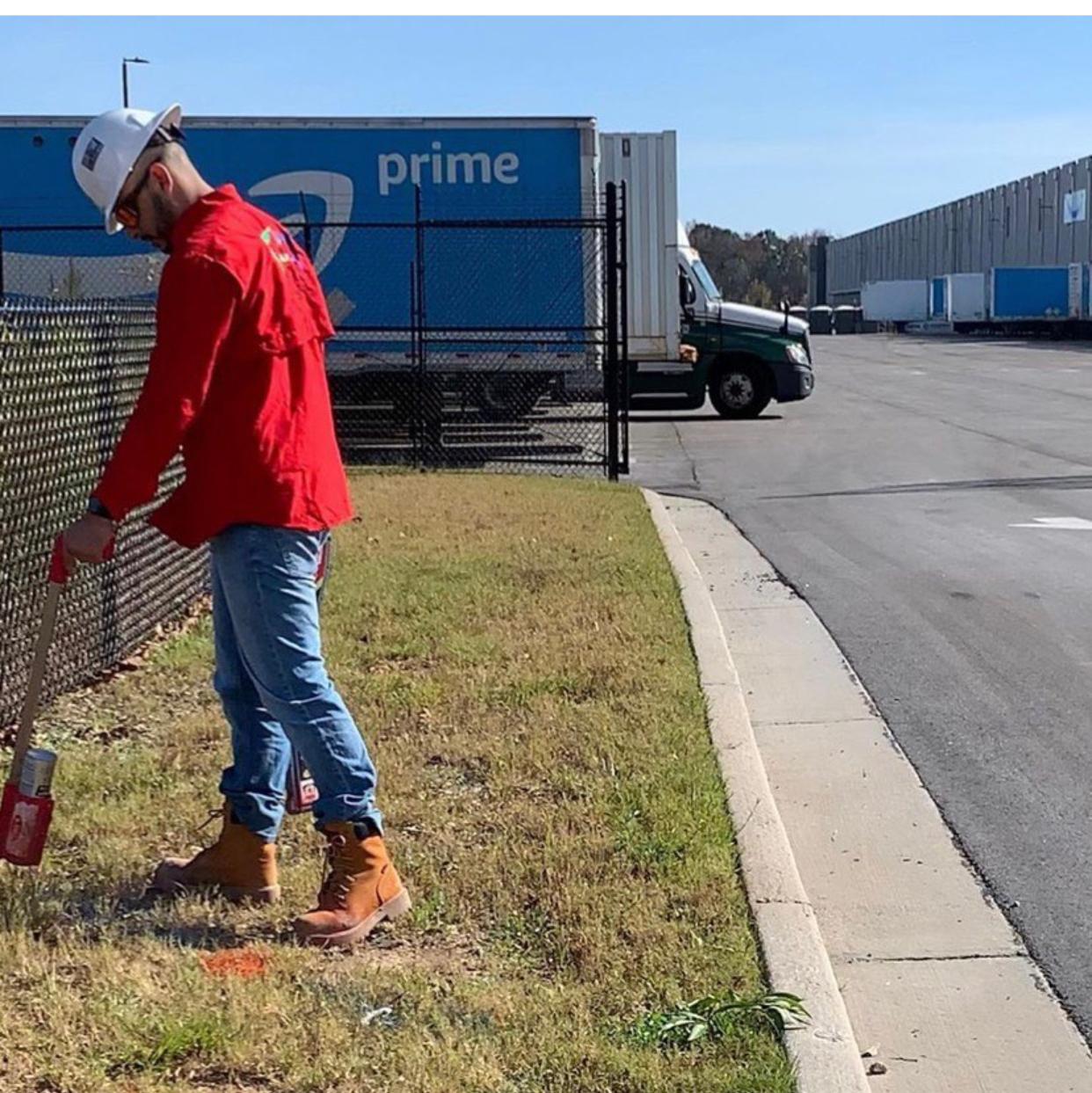
- Conduct professional underground utility surveys
- Clearly mark all detected utility lines
- Maintain safe clearance distances
- Train crews on site-specific hazards
- Verify markings before equipment mobilization
These safe excavation practices before digging significantly reduce the probability of accidents and costly interruptions.
How Excavation Safety Impacts Project Cost and Schedule
Unsafe excavation does not only endanger workers—it directly affects project performance. Utility strikes often result in:
- Emergency repairs
- Schedule overruns
- Penalties and claims
- Loss of client trust
Investing in excavation safety upfront protects both the project timeline and the contractor’s reputation
Excavation Safety Is a Business Decision
For modern construction projects, excavation safety before digging is not just a technical requirement—it is a strategic decision. Contractors who prioritize safety:
- Deliver projects more reliably
- Minimize unexpected costs
- Strengthen compliance and documentation
- Reduce insurance and legal exposure
- Improving excavation safety requires identifying underground utilities before any digging begins.
- Excavation safety planning is incomplete without proper utility locating and risk assessment.
Safety-driven planning leads to better outcomes across the entire project lifecycle.
How Excavation Safety Reduces Legal and Financial Risk
Unsafe excavation can expose contractors to significant legal and financial consequences. Utility strikes often lead to liability claims, regulatory penalties, and costly project delays.
Implementing proper excavation safety before digging helps document due diligence, reduce exposure to claims, and protect contractual obligations. For contractors, safety planning is not just prevention—it is a proactive risk management strategy that safeguards both operations and reputation.
Contractor Responsibility Goes Beyond Calling 811
Calling 811 is a legal requirement, but it does not eliminate contractor responsibility. General contractors remain accountable for damages caused during excavation, even when public utilities have been marked. Private utility lines—such as water and sewer laterals, electrical feeds, and communication lines on private property—are not located by 811. Relying solely on public markings can leave critical utilities unidentified, exposing contractors to liability, disputes, and costly corrective work.
Calling 811 is a legal requirement, not a liability shield
How Utility Locating Reduces Excavation Risk
Professional utility locator plays a critical role in excavation safety and risk management. By identifying underground utilities before excavation begins, contractors can plan work more accurately, reduce uncertainty in the field, and prevent costly utility strikes. Utility locating transforms excavation safety from a reactive response into a controlled, preventive process, helping contractors protect budgets, schedules, and reputations.
What Is Private Utility Locating and Why General Contractors Need Ithttps://utilitylocatingservices-ryf.com/2026/01/20/private-utility-locating/
Conclusion
Excavation safety starts long before excavation equipment arrives on site. Identifying underground utilities, evaluating risks, and implementing preventive measures are essential steps for successful projects.
By prioritizing excavation safety before digging, contractors protect workers, infrastructure, and profitability—while avoiding the costly consequences of underground utility damage.
Call to Action
Avoid unnecessary risks and delays.
👉 Request a professional utility locating quote today
👉 Call now to schedule your excavation safety assessment
👉 Contact us to protect your project before digging begins