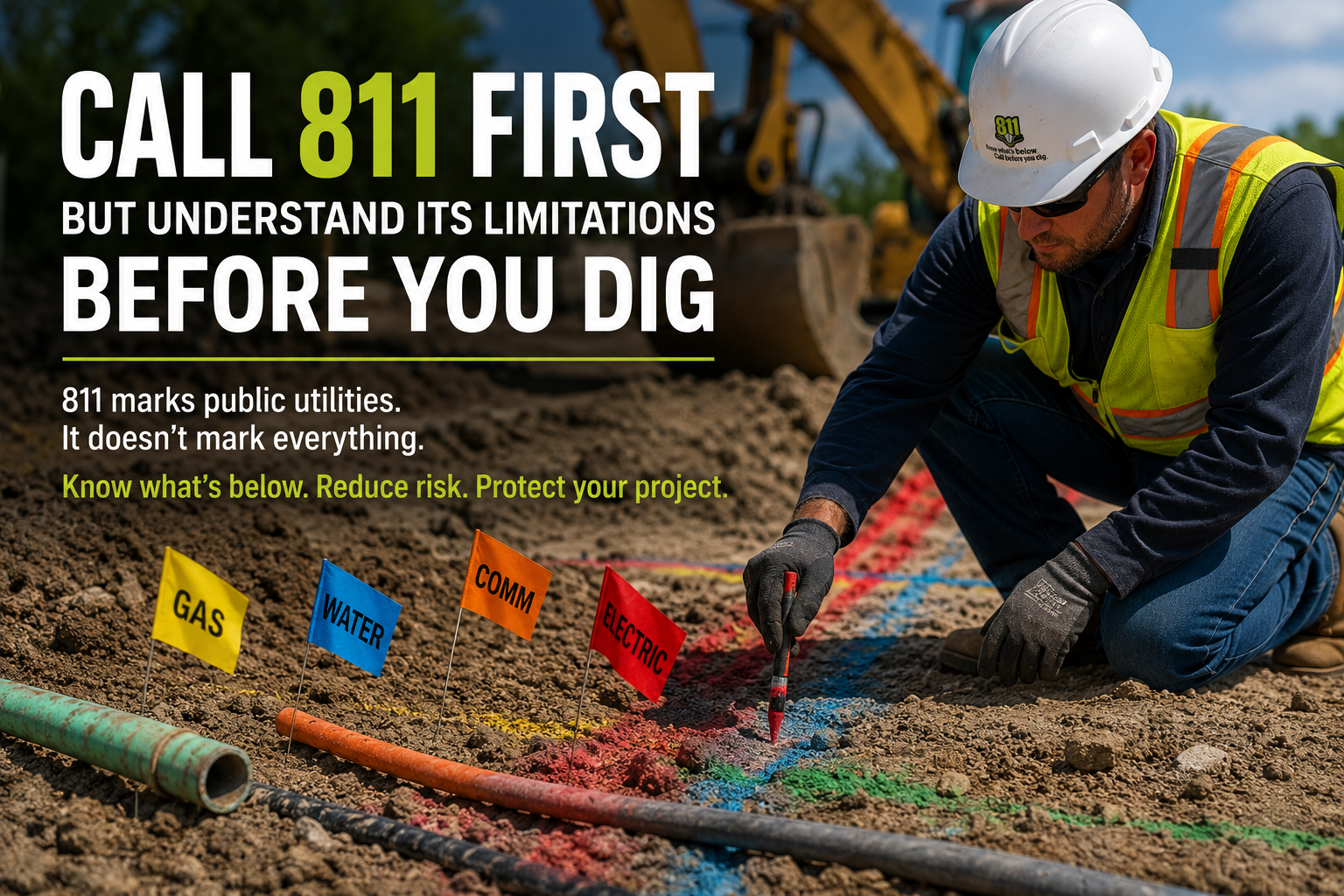
Call 811 before excavation is one of the most important steps in protecting underground infrastructure and complying with excavation notification requirements.
However, many contractors and property owners assume that calling 811 means every underground utility has been identified.
The reality is different.
811 plays a critical role in excavation safety, but it does not locate every underground utility on a project site. Understanding what 811 covers—and what it does not cover—is essential for reducing risk, avoiding costly utility damage, and improving project planning before excavation begins.
- 1.- What Is 811 and Why Is It Important?
- 2.- Why Utility Damage Still Happens After Calling 811
- 3.- When Should You Call 811 Before Digging?
- 4.- What Does 811 Typically Cover?
- 5.- What 811 Usually Does Not Cover
- 6.- When Can Excavation Begin?
- 7.- Private vs. Public Utility Locating: What Contractors Must Know
- 8.- Why Experienced Contractors Use Both Services
- 9.- Reducing Risk Before Excavation Begins
- 10.- Conclusion
- 11.- Recommendations
- Need More Than 811?
1.- What Is 811 and Why Is It Important?
811 is the national “Call Before You Dig” notification system. Anyone planning excavation activities should contact 811 several business days before digging to request the approximate location of underground public utilities.
The service helps prevent accidental damage to buried infrastructure and supports compliance with excavation notification requirements.
Calling 811 is an important first step before excavation begins, but understanding the limitations of the service is equally important.
2.- Why Utility Damage Still Happens After Calling 811
Many contractors assume that once utility markings are placed on the ground, all underground utilities have been identified.
Unfortunately, utility damage still occurs every year because not all underground infrastructure falls within the scope of 811.
Common causes include:
- Private utilities not marked by 811.
- Unknown utility installations.
- Irrigation systems.
- Private electrical lines.
- Private communication lines.
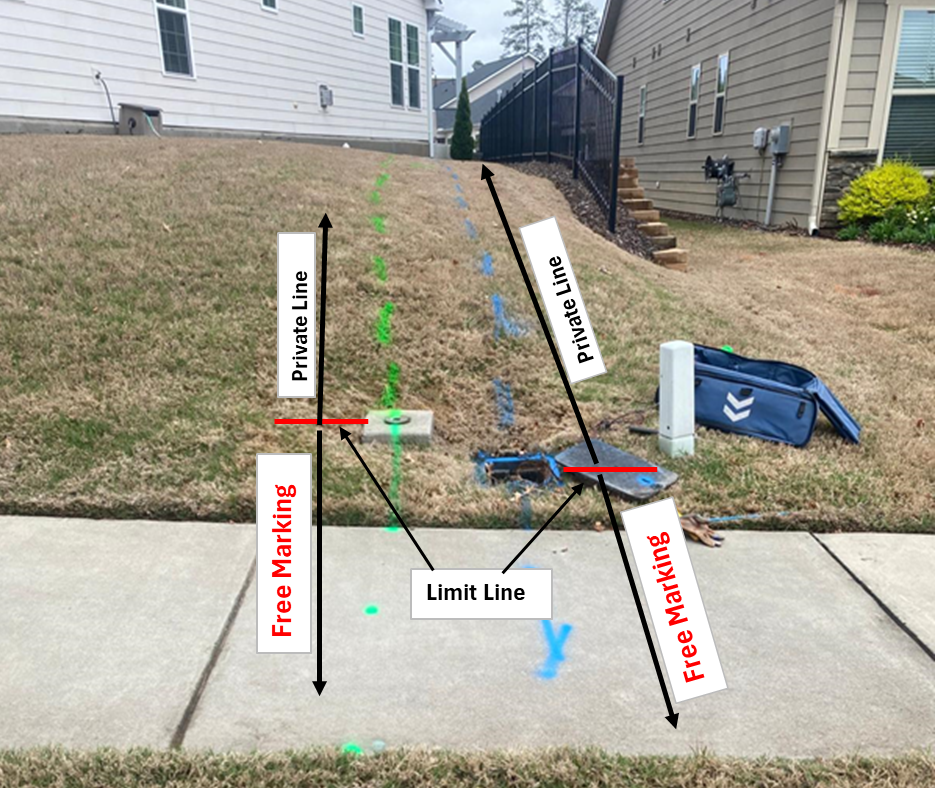
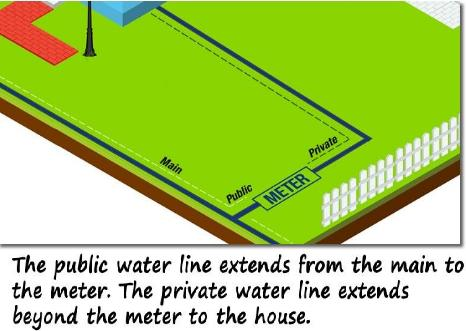
- Utilities extending beyond the meter.
This misunderstanding often creates a false sense of security that can result in project delays, costly repairs, and safety incidents.
For this reason, experienced contractors do not rely solely on utility markings. They evaluate the entire project area and consider whether additional utility investigation may be necessary before excavation begins.
3.- When Should You Call 811 Before Digging?
You should contact 811 several business days before any project involving excavation.
Examples include:
- Installing fences.
- Planting trees.
- Installing mailboxes.
- Building additions.
- Pool construction.
- Trenching.
- Utility installations.
The amount of advance notice required varies by state.
When submitting a request, you will typically need:
- Project address.
- County.
- Nearest cross street.
- Type of work.
- Exact excavation area.
Providing accurate information helps utility owners respond effectively.
4.- What Does 811 Typically Cover?
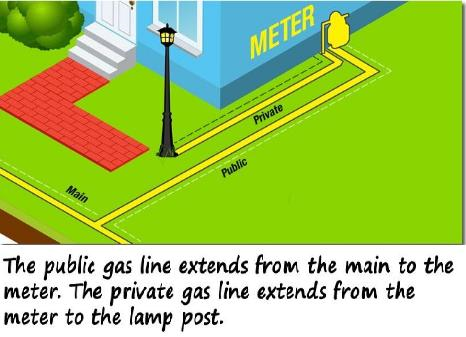
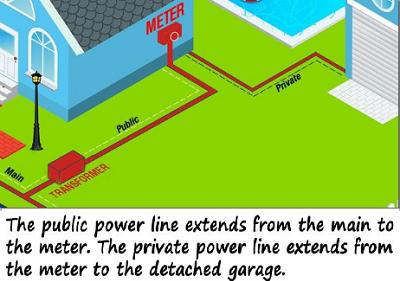
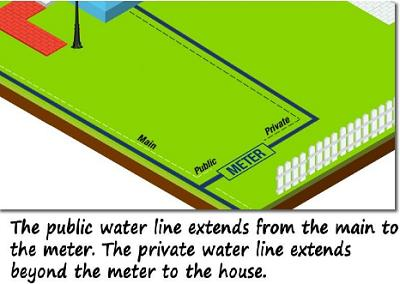
The 811 system generally coordinates the marking of utilities owned by public utility providers.
These commonly include:
- Public electric utilities.
- Public gas utilities.
- Public water mains.
- Public communication infrastructure.
The service is typically focused on utilities located within public rights-of-way and utility easements.
Key characteristics include:
- Free service.
- Regulatory compliance support.
- Approximate utility location.
- Public utility ownership only.
5.- What 811 Usually Does Not Cover
This is where many excavation risks begin.
Utilities frequently excluded from 811 markings may include:
| Utility Type | 811 | Private Locator |
|---|---|---|
| Public Gas | ✅ | ✅ |
| Public Electric | ✅ | ✅ |
| Public Telecom | ✅ | ✅ |
| Private Water Line | ❌ | ✅ |
| Irrigation | ❌ | ✅ |
| Site Lighting | ❌ | ✅ |
| Private Electric | ❌ | ✅ |
| Utilities Between Buildings | ❌ | ✅ |
| Unknown Utilities | ❌ | ✅ |
These buried utilities can still be damaged even when all 811 markings are respected.
The exact scope of 811 markings varies by state and utility owner. Contractors should never assume that every underground utility has been identified simply because a locate request has been completed.
6.- When Can Excavation Begin?
Excavation should only begin after all utility owners have responded to the locate request and the site has been properly marked.
Each utility type is identified using standardized color codes.
Before starting work:
- Verify that all responses have been received.
- Review all markings.
- Confirm the excavation limits.
- Maintain safe clearance around marked utilities.
If uncertainty remains regarding underground conditions, additional investigation may be required.
Private vs. Public Utility Locating: What Contractors Must Know
7.- Private vs. Public Utility Locating: What Contractors Must Know
Understanding the difference between public and private utility locating is essential for managing risk, cost, and project schedules.
Public Utility Locating (811)
Public utility locating is coordinated through the 811 one-call system.
Characteristics include:
- Free service.
- Public utility ownership only.
- Approximate markings.
- No depth information.
- Limited scope.
Private Utility Locating
Private utility locating is performed by specialized firms using advanced locating technologies.
Characteristics include:
- Identification of private utilities.
- Utility mapping capabilities.
- Greater site visibility.
- Risk reduction before excavation.
- Often includes estimated utility depth information.
Side-by-side comparison
The following comparison helps illustrate why both services play different roles in excavation planning and risk management.
| Aspect | Public Utility Locating (811) | Private Utility Locating |
|---|---|---|
| Cost | Free | Paid professional service |
| Utility ownership | Public utilities only | Private + public (verification) |
| Coverage | Limited | Comprehensive |
| Depth information | No | Often yes |
| Accuracy level | Basic | High |
| Liability protection | None | Professional documentation |
| Best use | Initial notification | Pre-construction risk control |
8.- Why Experienced Contractors Use Both Services
Experienced contractors do not treat public and private utility locating as competing options.
Instead, they use both.
The recommended approach is:
- Call 811 to satisfy excavation notification requirements.
- Use private utility locating to identify utilities outside the scope of 811.
This combined strategy helps:
- Reduce utility strikes.
- Improve planning.
- Protect project schedules.
- Reduce unexpected costs.
- Improve site safety.
9.- Reducing Risk Before Excavation Begins
Every excavation project involves uncertainty.
The objective of effective project planning is to reduce that uncertainty before work begins.
Accurate underground information helps project teams:
- Make better decisions.
- Improve safety.
- Protect infrastructure.
- Avoid rework.
- Minimize project delays.
- Reduce unexpected costs.
Every excavation project involves uncertainty.
Successful project planning is not about eliminating risk completely—it is about identifying risks early and managing them effectively.
Accurate underground utility information allows project teams to make better decisions before construction begins, reducing uncertainty that can affect safety, budgets, schedules, and productivity.
Many of the most expensive construction problems are invisible until excavation begins.
Identifying underground conditions early is one of the most effective forms of risk management available to contractors and property owners.
10.- Conclusion
Calling 811 is an essential first step before excavation begins.
However, it is important to recognize that 811 does not identify every underground utility on a project site.
Understanding both the capabilities and limitations of the system allows contractors, facility owners, and project managers to make more informed decisions and better manage excavation risks.
Successful projects begin with accurate information before the first shovel enters the ground.To learn more about the depths of the services see this post.
11.- Recommendations
Before starting any excavation project:
✔ Call 811.
✔ Review all utility responses.
✔ Understand what utilities may not be included.
✔ Consider additional utility investigation when risks are present.
✔ Use accurate underground information to improve project planning.
Need More Than 811?
If your project involves private utilities, irrigation systems, private water lines, private electrical infrastructure, or unknown underground conditions, a private utility locate may be required before excavation begins.
Request a Private Utility Locate
Request Quote
Request a Private Utility Locate Before You Dig.
To learn more about What is 811?, these links are very instructive.